Why this matters
A practical way to discuss home battery priorities, outage duration, critical loads, roof condition, and electrical coordination before requesting a proposal. For homeowners evaluating battery storage for storm-season resilience, the decision is rarely just about the product or the first number on a proposal. It is about whether the work can be documented, coordinated, permitted, inspected, and maintained without leaving important assumptions hidden.
That is why this topic should be treated as a short decision file. The right answer depends on the property, the existing condition, the weather exposure, the contract, and the people responsible for the next step. A good conversation makes those conditions visible before work begins.
What to check first
- List critical loads such as refrigeration, internet, medical equipment, pumps, security, and selected HVAC circuits.
- Separate short-duration ride-through from multi-day outage expectations and generator-like loads.
- Confirm panel capacity, transfer equipment, utility interconnection, location, clearances, and permitting responsibilities.
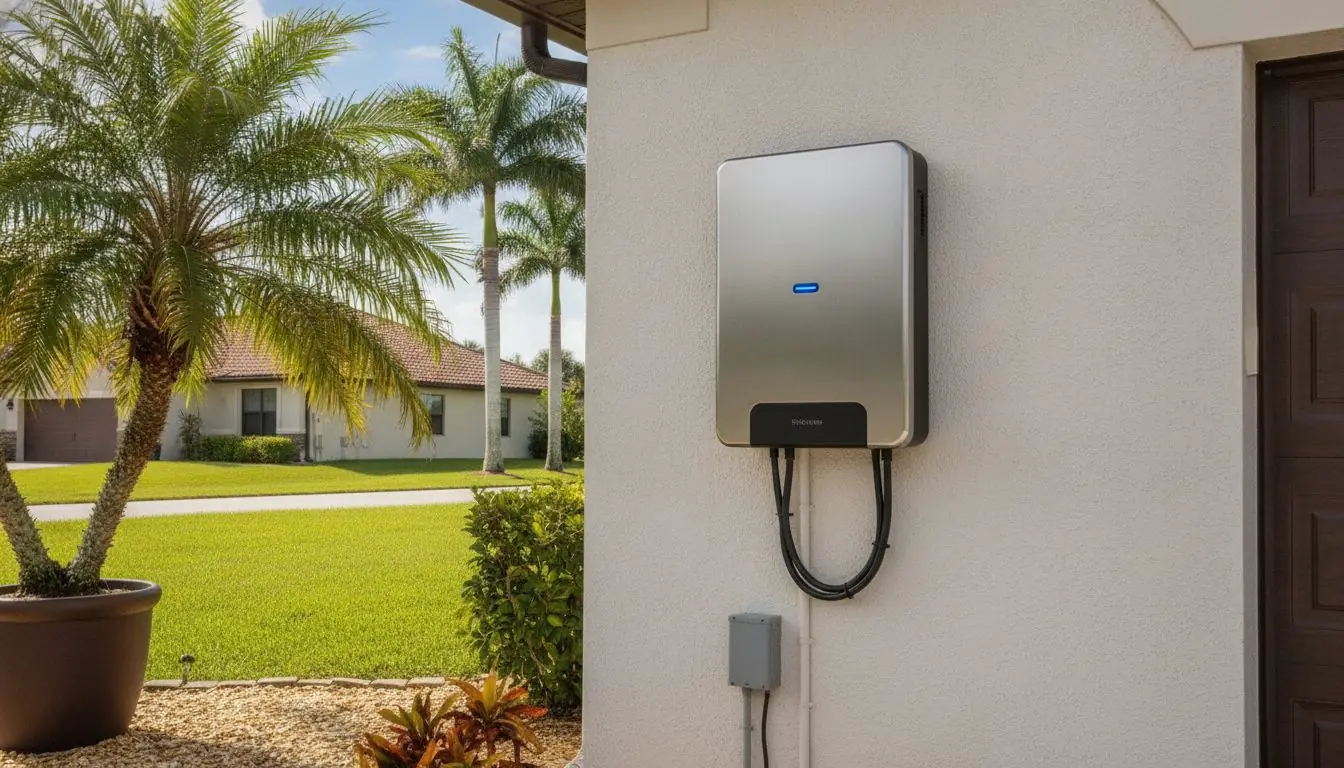
- Coordinate battery placement with roof work, solar production, flood exposure, ventilation, service access, and manufacturer requirements.
Ask for the source document or field observation behind each answer. A photograph, approval, inspection record, product document, or written scope is more useful than a confident sentence that cannot be checked later.
Common mistakes to avoid
- Using a whole-home label without a load calculation or priority list.
- Promising outage duration without stating load assumptions and weather-dependent solar production.
- Ignoring electrical-panel limitations or code-required clearances.
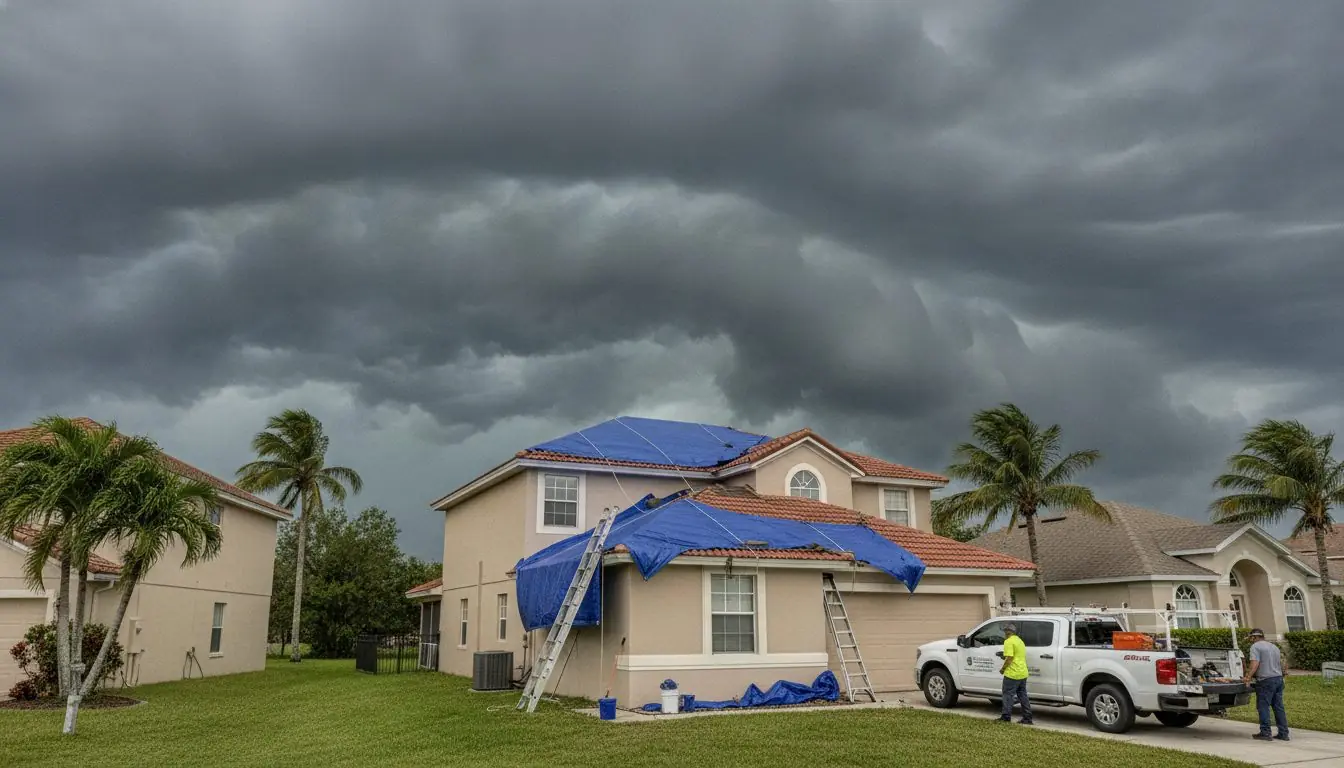
- Treating a battery as a substitute for roof, drainage, or broader storm-preparation work.
When one of these risks appears, slow the decision down enough to define responsibility. That may mean a better inspection, a revised scope, a permit question, a carrier conversation, or a written change record. It does not automatically mean buying the most expensive option.
Recommended next step
Prepare a critical-load list and ask for a proposal that states assumptions, equipment limits, and permitting scope. Bring the address, existing documents, photographs, and the questions above to the first professional conversation. The goal is a documented recommendation that explains what is known, what is assumed, and what still needs confirmation.
Request a Free Inspection