Why this matters
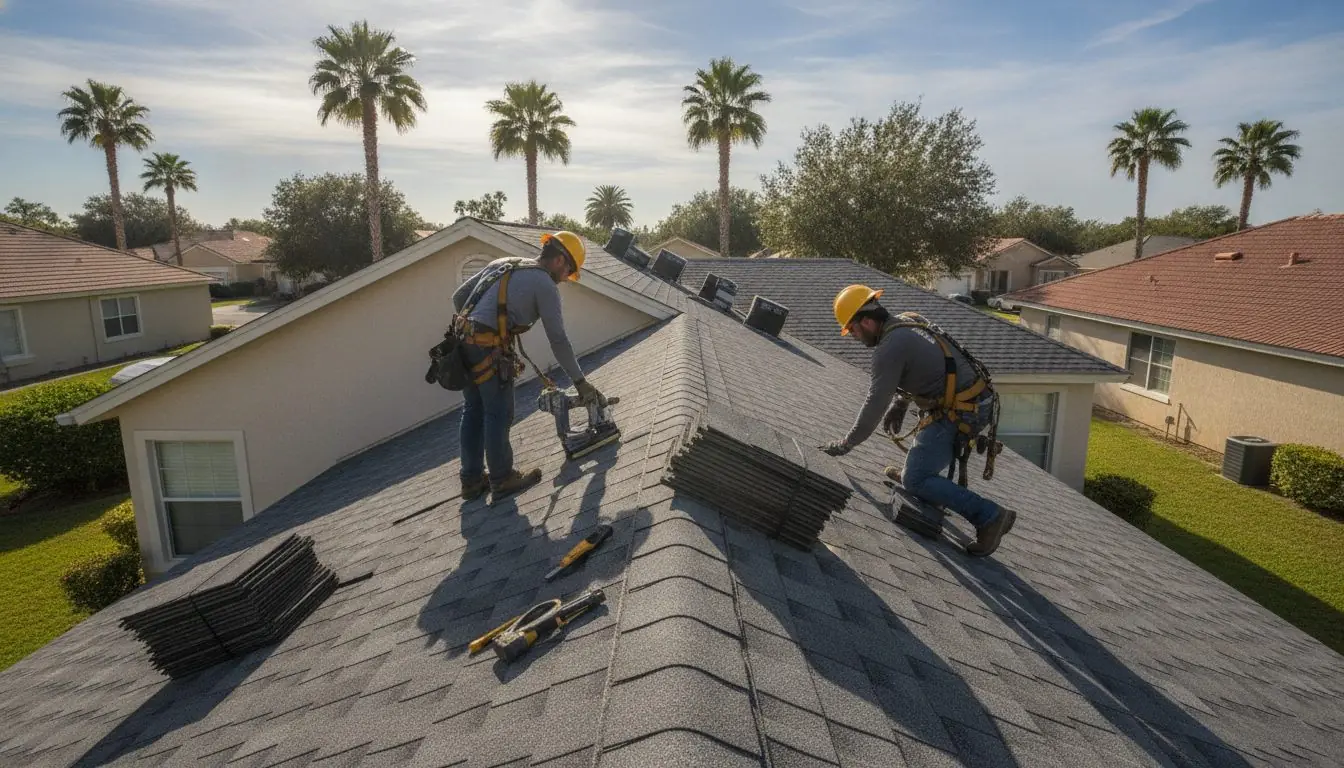
Florida rewrote its approach to roofing after Hurricane Andrew and has kept tightening it ever since — the Florida Building Code (FBC) is one of the most demanding wind-resistance codes in the country, and for good reason. Central Florida sits inland from the coast, but wind-borne debris, straight-line thunderstorm winds, and the occasional inland hurricane track still put real load on a roof deck and fastening system. The code isn't paperwork for its own sake — it's the difference between shingles that lift in a summer storm and a roof system that stays intact.
The code is also a moving target. It's updated on a regular cycle, and the version in force when your permit is pulled is the version your roofer has to build to — not the version that was current when the house was built. If you're comparing bids, every legitimate contractor should be quoting to the same current edition, not an older one that happens to be cheaper to meet.
Wind zones and why they matter inland
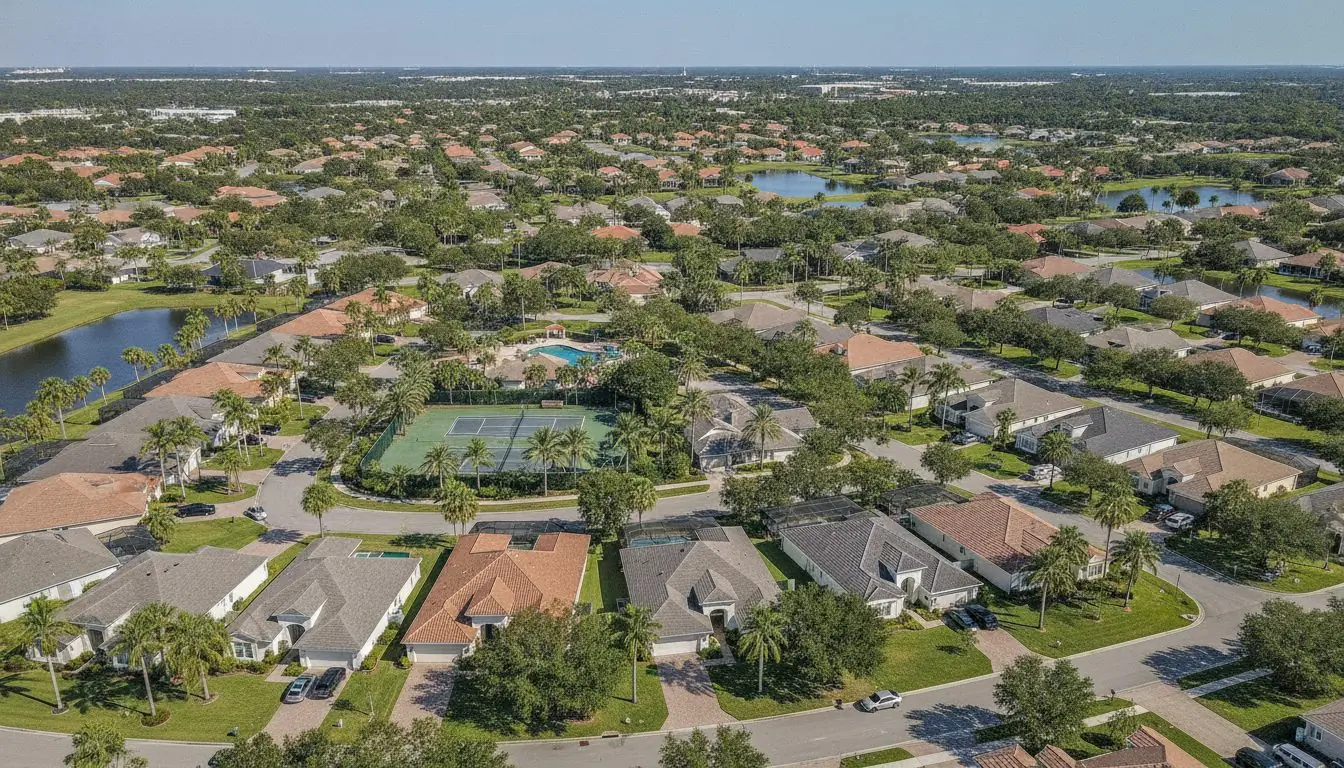
Florida's wind design requirements are based on ASCE 7 wind-speed maps, which set a required "ultimate design wind speed" for each part of the state. Coastal counties and barrier islands fall into the highest-wind categories and, in a few specific coastal jurisdictions, the High-Velocity Hurricane Zone (HVHZ) rules that apply mainly to Miami-Dade and Broward counties — a stricter subset of the code with its own product-approval requirements. Central Florida's inland counties (Orange, Seminole, Osceola, Lake) are not in the HVHZ, but they still carry a real design wind speed requirement, and it's higher than what you'd find in most non-coastal states. That number drives fastening patterns, underlayment requirements, and which shingle or tile products are even approved for use on your address.
In practice, this means a shingle that's rated and sold nationally may still need a specific nailing pattern, starter-strip method, or underlayment upgrade to meet the wind-uplift rating required at your specific address. A contractor quoting your job should be able to tell you the wind speed design requirement for your zip code and how the proposed system meets it — not just "we use good shingles."
Permitting: when you need one, and why it protects you
A full roof replacement in Central Florida requires a building permit in essentially every jurisdiction — Orange County, Seminole County, Osceola County, Lake County, and the cities within them. Permitted work means a local building inspector signs off at defined stages (dry-in/underlayment and final), which creates a paper trail that matters twice: once for code compliance, and again later if you ever file an insurance claim or sell the home. An unpermitted re-roof can create real problems at closing, since title companies and buyers' inspectors routinely check permit history against major systems like the roof.
Smaller repairs — patching a section after storm damage, replacing a handful of shingles — may or may not need a permit depending on scope and your local jurisdiction's threshold. When in doubt, the honest answer is to ask the building department directly, not to guess. Any contractor who tells you permits are "usually not worth the hassle" is giving you advice that protects their schedule, not your house.
Re-roof triggers and secondary water barrier rules
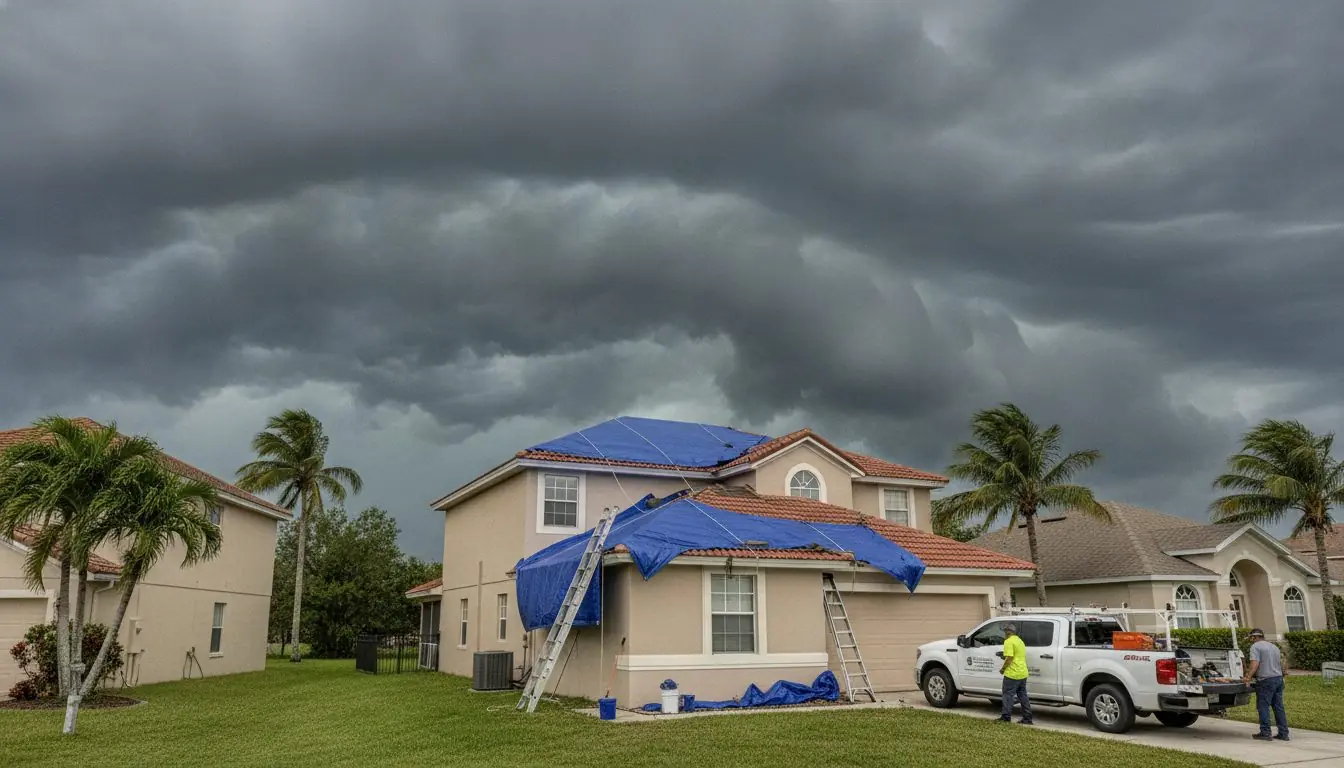
Florida code also addresses what happens when 25% or more of a roof section is being re-covered, which can trigger additional requirements — most notably a secondary water barrier (SWB) requirement in some circumstances, intended to keep a home dry even if the primary roof covering is compromised in a storm before repairs can happen. The specific SWB trigger thresholds and product options have shifted across code cycles, so this is exactly the kind of detail that needs to be checked against the current edition in force for your permit, not assumed from an older project or a neighbor's re-roof.
Recommended next step
Code compliance isn't something a homeowner should have to police personally — but it's worth knowing enough to ask the right questions when you're comparing roofing bids. Ask any contractor which code edition they're permitting to, what wind-speed rating the proposed system carries, and whether your project triggers a secondary water barrier requirement. A straight answer to all three is a good sign you're dealing with someone who pulls permits as a matter of course, not an afterthought.
Request a Free Inspection