Why this matters
"How long will this take" is one of the first questions almost every homeowner asks, and it's a fair one — a roof replacement means noise, a crew in the yard, and a house that isn't fully weathertight until the job is buttoned up. The honest answer has two parts: the physical install itself is usually fast, but the project timeline around it (permit, materials, weather, inspection) is what actually determines when you're done, start to finish.
The physical install: usually 1-3 days
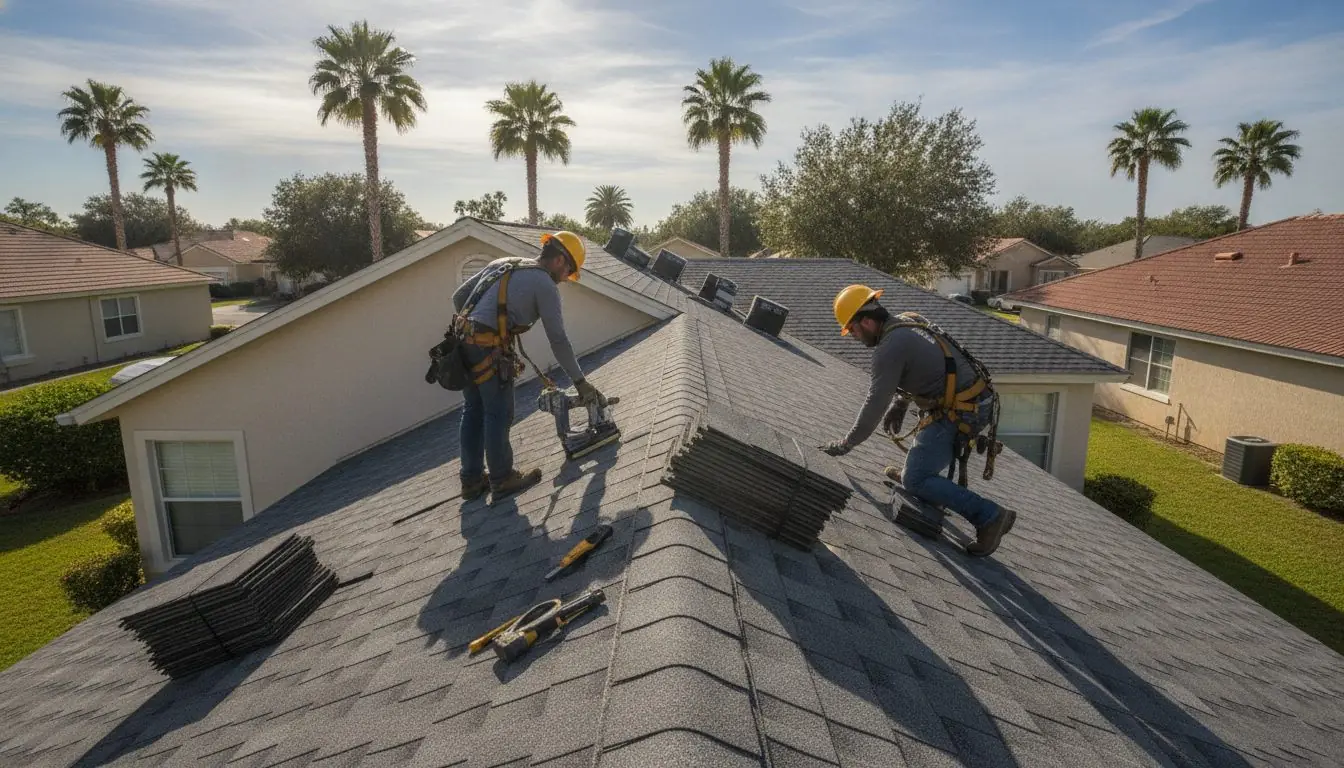
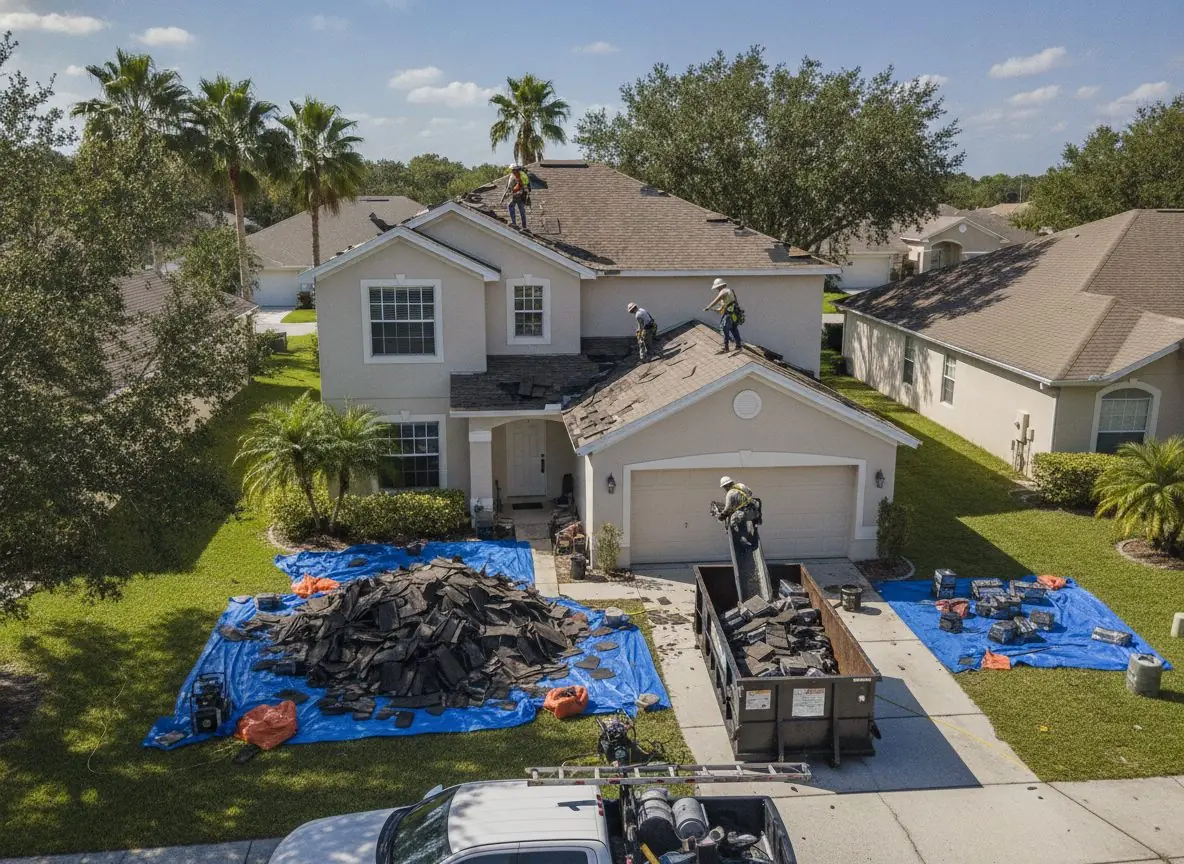
For a typical single-family home in Orange, Seminole, Osceola, or Lake county, tear-off and dry-in of an asphalt shingle roof is often completed in a single day, with the full install — underlayment, shingles, flashing, ridge vents, cleanup — wrapped up in one to three days depending on roof size, pitch, and complexity (number of valleys, chimneys, skylights). Tile roofs generally take longer, often three to five days, because tile handling, batten systems, and flashing details are more labor-intensive than shingle work. Metal roofing timelines vary widely by profile and whether it's going over an existing deck or requires a full tear-off, so a specific number for your home should come from an on-site inspection, not a general rule of thumb.
Larger or more complex roofs, steep pitches, and multi-story homes all add time. So does storm-damage repair work layered into a broader replacement, since additional decking repair is sometimes only discoverable once the old roof covering is off.
What happens before the crew shows up
The install date is the visible part, but real project time is spent before it: a documented inspection and written scope, material selection and ordering (lead times vary by product and manufacturer and can add real time during high-demand periods, like right before hurricane season), and pulling the building permit required in essentially every Central Florida jurisdiction for a full re-roof. Permit review times vary by county and by how busy the local building department is at the time — this step is genuinely outside a contractor's direct control, and any contractor who promises a guaranteed permit turnaround isn't being straight with you.
What can add time mid-project
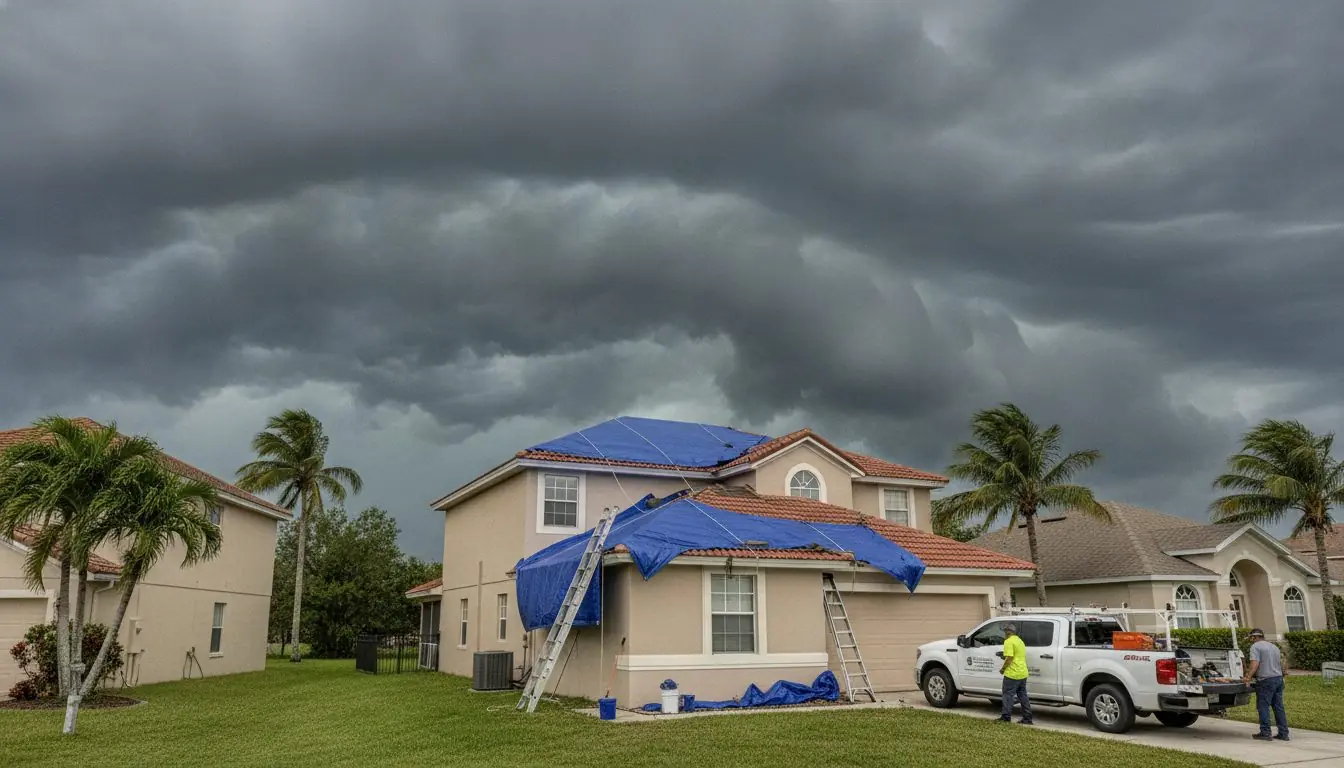
Florida weather is the single biggest variable. Roofing crews can't safely tear off and dry-in a roof in active rain, and Central Florida's summer storm pattern (regular afternoon thunderstorms May through October) can push a scheduled one-day tear-off into two if a storm rolls in mid-afternoon. A competent crew plans around the forecast and won't leave a roof exposed overnight without a dried-in deck — but it does mean "the weather pushed us a day" is a legitimate, common occurrence here, not an excuse.
Hidden deck damage discovered once the old roofing is removed is the other common source of added time — rotted plywood or damaged sheathing has to be replaced before new roofing goes down, and that's not something that can always be seen from a pre-install inspection alone. A written scope should spell out how additional decking repair, if needed, is priced and approved before the crew proceeds.
Recommended next step
Ask for a specific, written timeline as part of your proposal — expected install days, estimated permit lead time based on your specific county, and how weather delays are communicated. A contractor who gives you a real range instead of a single too-good-to-be-true number is giving you information you can actually plan around.
Request a Free Inspection