Why this matters
Florida's property insurance market has tightened considerably over the past several years, and roof age has become one of the most scrutinized underwriting factors insurers look at — arguably more so than in most other states, given Florida's storm exposure. A roof's age can affect three separate things: whether you can get a policy at all, what it costs, and how a future claim gets paid. Understanding this ahead of a claim (or ahead of a renewal) gives homeowners more options than finding out reactively.
Underwriting: can you get or keep a policy?
Many Florida insurers now apply roof-age thresholds during underwriting — declining to write new policies, or requiring a roof inspection or replacement, once a roof passes a certain age, commonly in the range of 15 to 20 years depending on the carrier and roof material. Some carriers offer a shorter runway for three-tab shingle roofs than for tile or metal, reflecting differences in expected service life. If your roof is approaching one of these thresholds, it's worth asking your agent directly what your specific carrier's policy is before a renewal surprises you.
Claim payouts: replacement cost vs. actual cash value
Even when a policy is in force, roof age often determines how a covered claim is paid. Many Florida policies pay full replacement cost for a newer roof, but shift to actual cash value — replacement cost minus depreciation — once the roof passes a certain age. On an older roof, that depreciation can be substantial, meaning a homeowner may receive meaningfully less than the cost to actually replace the roof, even for a fully covered loss.
Premium impact
Roof age is also a standalone rating factor in most Florida homeowners premiums, independent of any claim history — an older roof is priced as higher risk because it's statistically more likely to fail or be damaged in a storm, and more likely to trigger a costlier actual-cash-value claim if it is. A roof replacement, even absent storm damage, can sometimes reduce a premium enough to offset part of its cost over time.
Roof age and cosmetic damage disputes
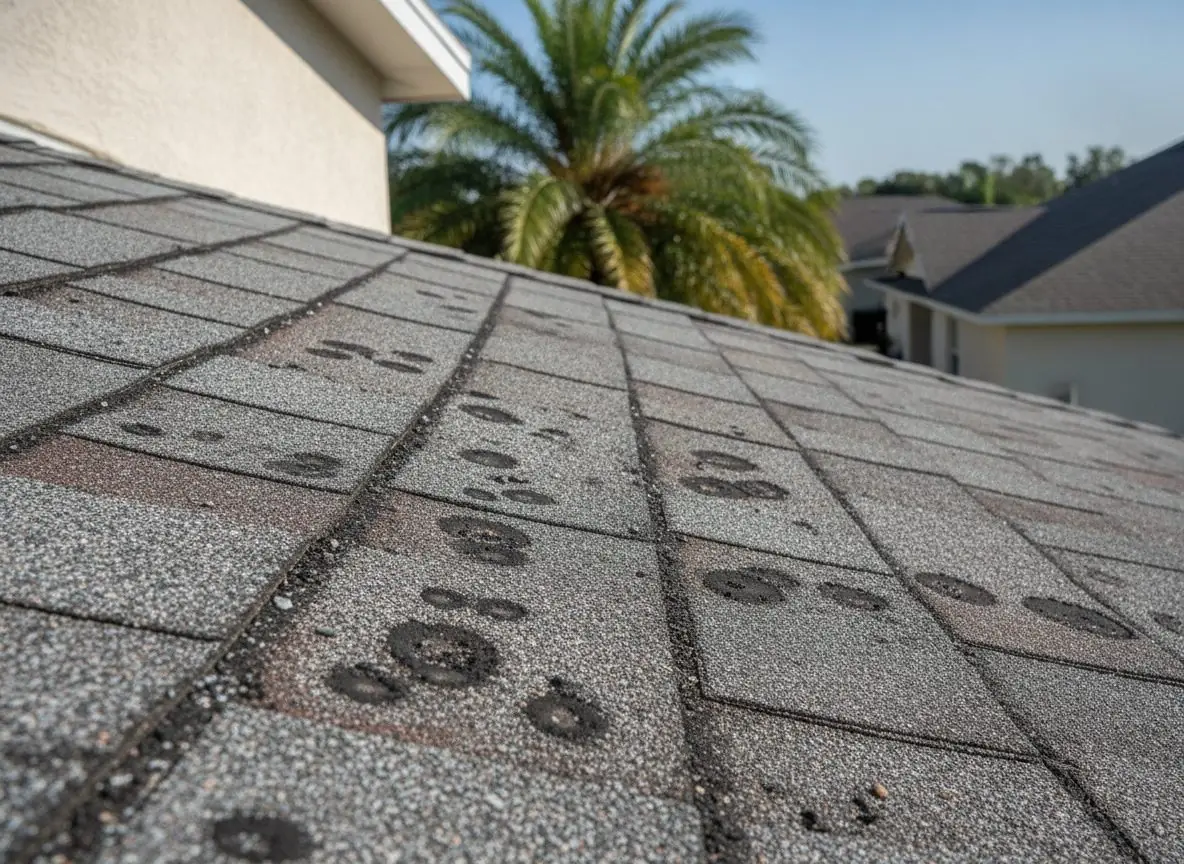
Older roofs are also more likely to run into disputes over whether reported damage is storm-related or simply age-related wear — one of the most common reasons Florida roof claims are questioned or denied. Clean documentation of a roof's condition before a storm (from a prior inspection, for instance) becomes more valuable specifically because of this dynamic. See our guide on what's typically covered for more on this distinction.
What homeowners can do
- Get a baseline roof inspection now, regardless of whether you're filing a claim — it creates a documented "before" condition that protects you later.
- Ask your insurance agent directly what your specific carrier's roof-age underwriting and payout rules are, rather than assuming a general industry number applies.
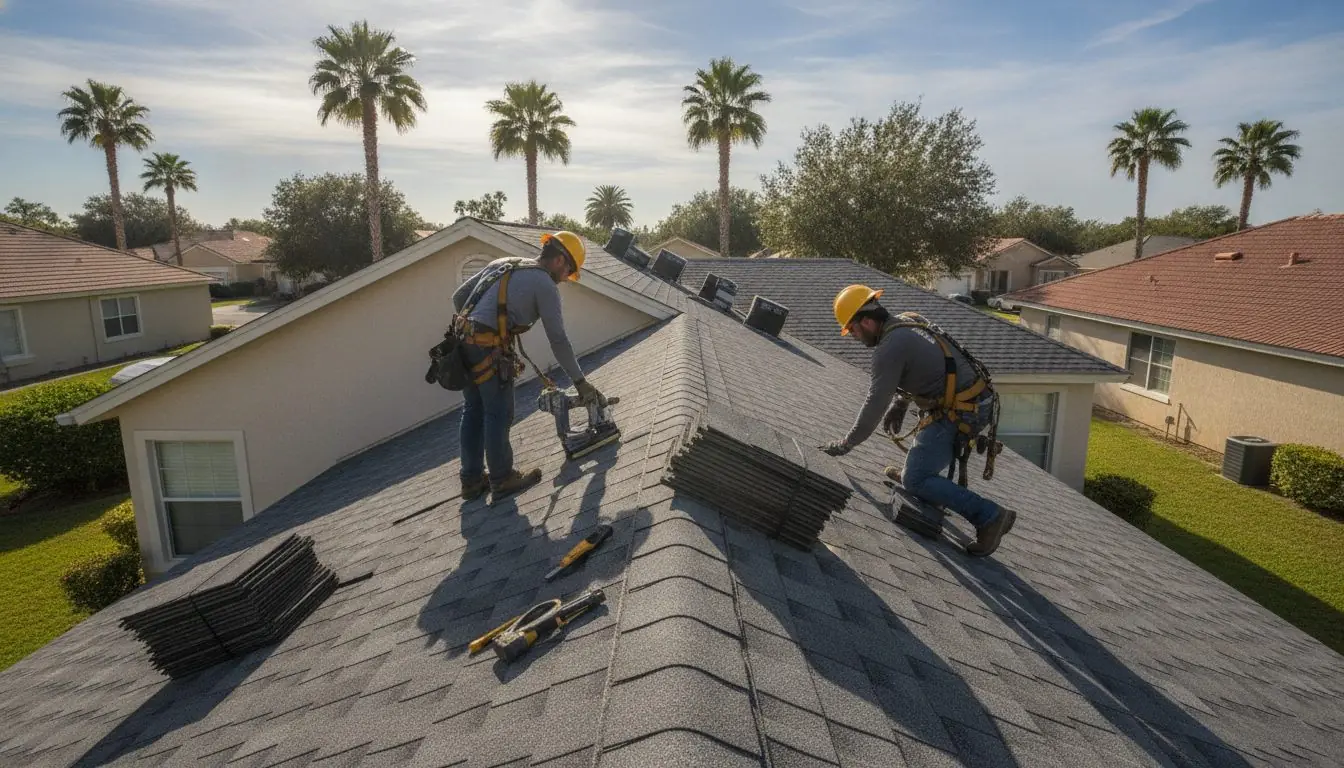
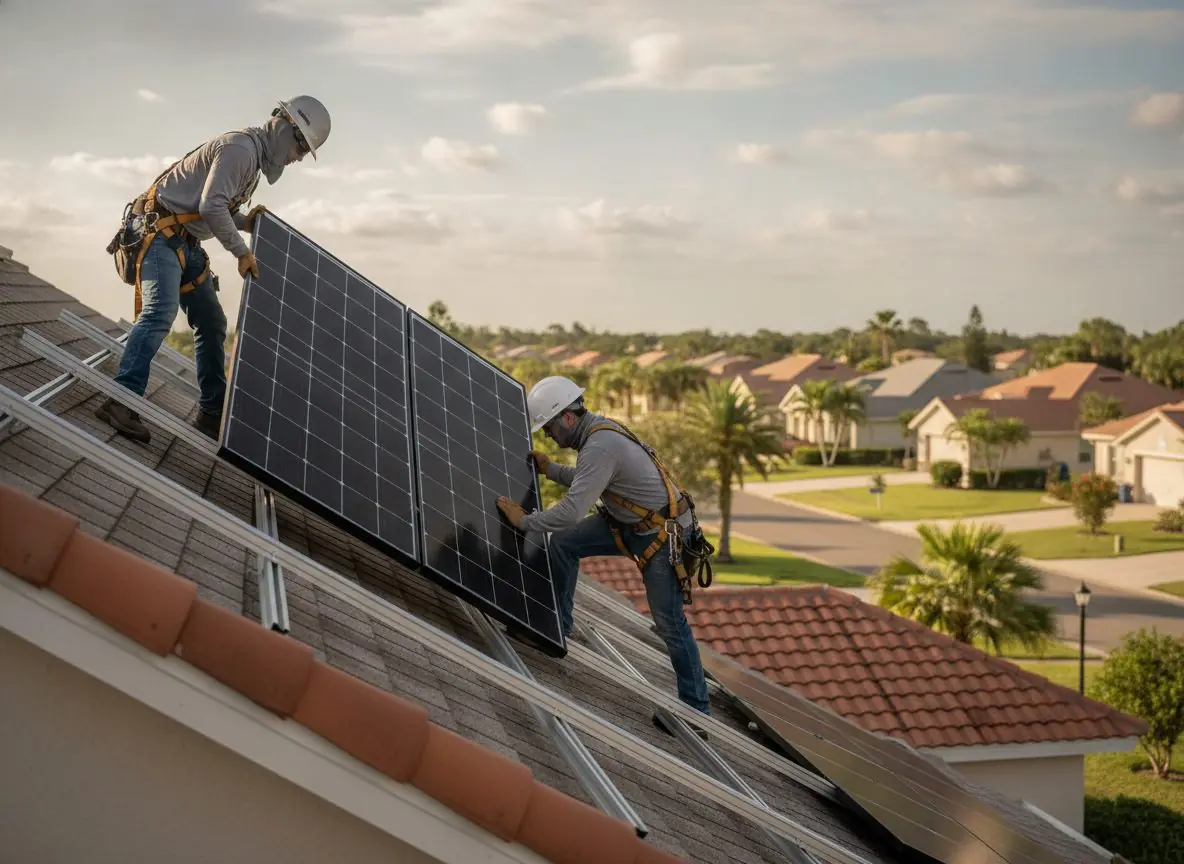
- If your roof is nearing a carrier's age threshold, weigh a planned replacement against the risk of a non-renewal or a reduced claim payout later — and note that a re-roof is also the most cost-effective moment to evaluate solar, since the roof is already open. See Solar & Energy.
Request a Free Inspection