Why this matters
Metal roofing gets recommended often in Central Florida specifically for wind performance, and that reputation is generally earned — but "wind resistant" isn't a single fixed property of metal roofing as a material. It's a function of the specific panel system, the fastening method, and how that combination has been tested and rated. Two metal roofs can look identical from the street and have meaningfully different wind performance based on decisions made in the design and installation, not the material itself.
What a wind uplift rating actually measures
Wind uplift testing measures how much upward pressure a roof assembly can withstand before the fastening system fails — essentially, how hard the wind has to pull before panels start to lift and detach. Metal roofing is tested and rated as a full assembly: panel profile, fastener type and spacing, and underlying attachment all factor into the rating, which is why the same metal panel product can carry different ratings depending on how it's installed. This is also why a wind uplift rating on a spec sheet isn't automatically the rating your actual installed roof will carry — that depends on the installer following the tested assembly method, fastener spacing, and substrate requirements exactly.
Standing seam vs. exposed-fastener systems
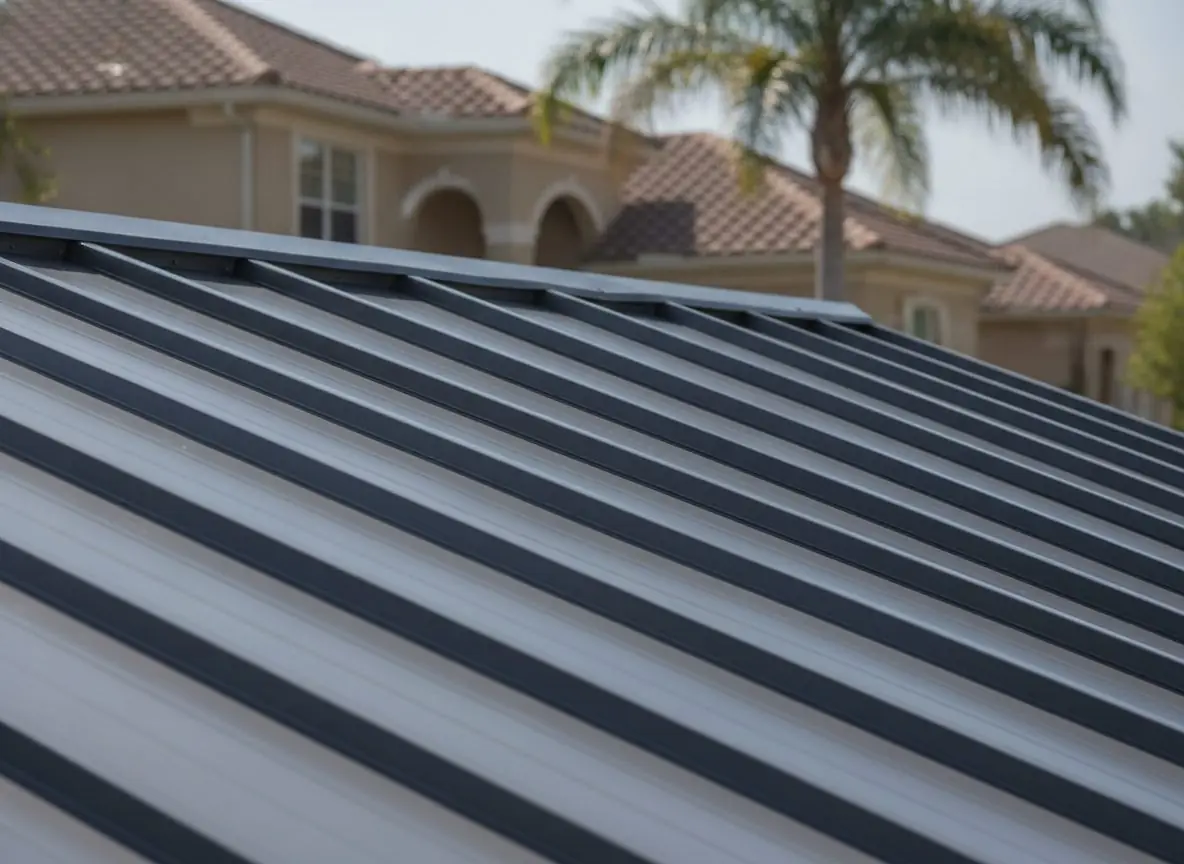
Standing seam metal roofing uses concealed clips and fasteners under raised seams, which generally allows for higher wind uplift ratings because the fastening points aren't penetrating the panel face directly and the clip system is designed to flex slightly under load. Exposed-fastener panels are fastened directly through the panel face into the substrate, which is a proven and cost-effective system but depends heavily on correct fastener spacing and gasket condition over time, since exposed fasteners are also the first thing to work loose or corrode. Neither system is inherently wrong — the right choice depends on budget, roof pitch, and the specific wind exposure of the property.
How Florida Building Code factors in
Florida Building Code sets wind design requirements based on the ASCE 7 wind-load standard and the property's specific wind zone, which varies across the state and factors in location relative to the coast, building height, and exposure category. Central Florida's inland location generally means somewhat lower design wind speeds than coastal counties, but code-compliant wind uplift resistance is still required on every reroof and new installation, and the specific numeric requirement for any given property depends on its location, elevation, and exposure classification. That requirement is not a fixed statewide number and should be pulled from the actual permit requirements for that address, not assumed.
What to ask before installing metal roofing
- What is the tested wind uplift rating for this specific panel profile and fastening method, not just the general product line?
- Does the proposed installation meet or exceed the wind uplift resistance required by the local building department for this property's wind zone?
- Is the fastener spacing and clip system being installed exactly to the manufacturer's tested assembly, or has it been modified?
- What does the permit and inspection process look like for this specific roof, and has that been factored into the project timeline?
Recommended next step
Wind performance is one of the strongest reasons Central Florida homeowners choose metal roofing, but getting the benefit depends on matching the right system, fastening method, and installation practice to the property's actual code requirements — not just picking a metal roof and assuming it's automatically rated for Florida wind.
Request a Free Inspection