Why this matters
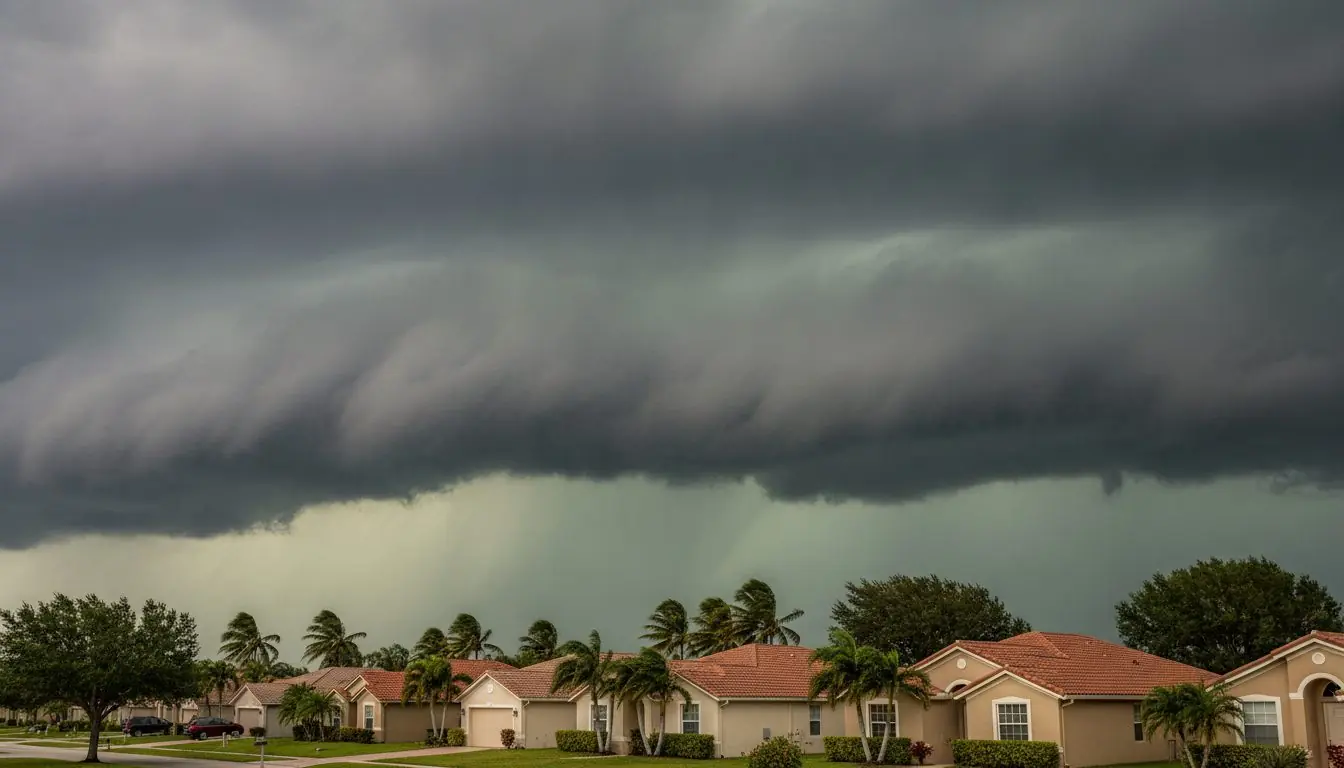
Florida's hurricane season runs June through November, and Central Florida — far enough inland to avoid direct storm surge but close enough to both coasts to take real wind and rain from most named storms that cross the state — gets its own version of the risk every year. The roof is the part of the house doing the most work during a storm: shedding wind-driven rain, resisting uplift, and protecting everything under it. A roof that's already carrying small, unaddressed problems going into hurricane season is a roof that fails in a bigger way when it gets tested. Most of the prep that actually matters is inspection and small-repair work, not last-minute plywood and duct tape.
What to check before storm season, not during it
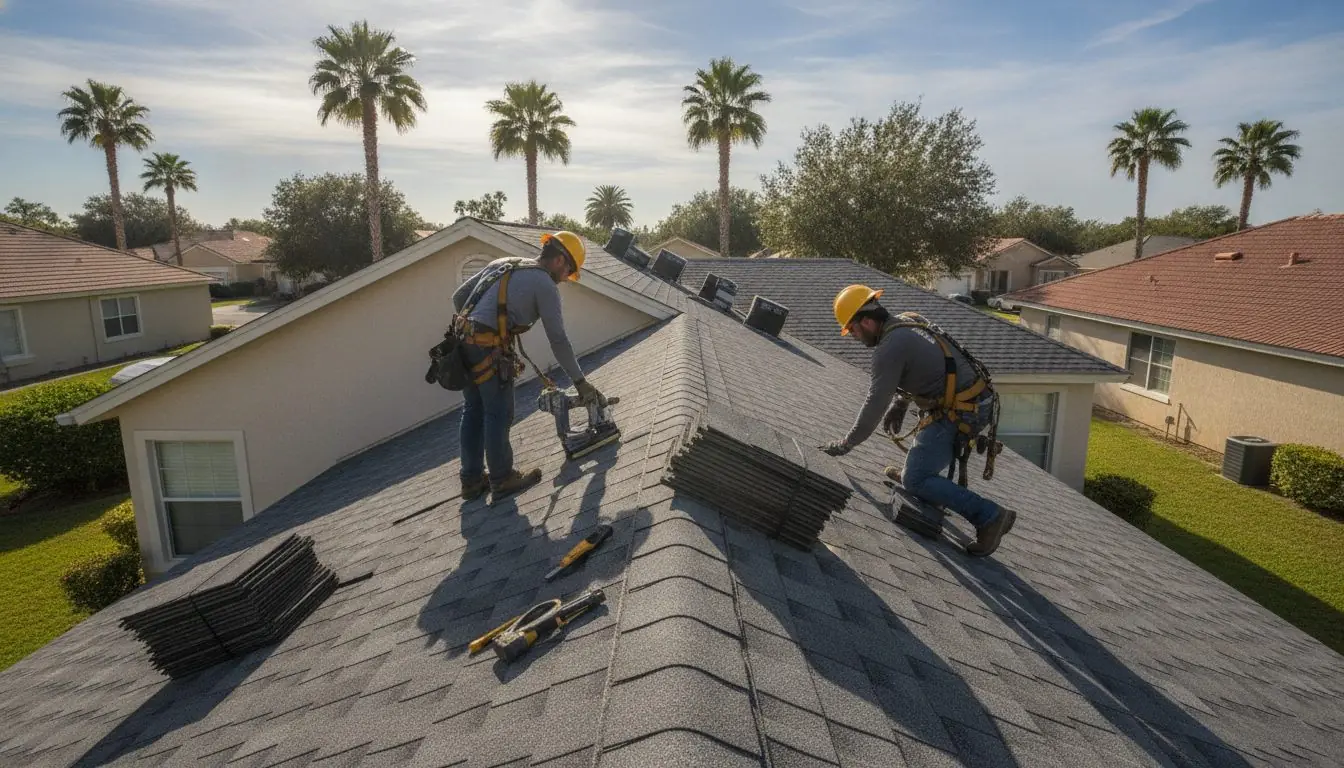
- Loose or missing shingles/tiles. Wind finds the weakest point first. A handful of loose shingles or a few cracked tiles that seem minor in June can be the starting point for much larger wind uplift damage in a storm.
- Flashing condition. Check chimney, skylight, vent, and roof-to-wall flashing for gaps or lifted edges — these are common entry points for wind-driven rain even when the roof surface itself holds up fine.
- Gutters and downspouts. Clear them before the season's heaviest rain, not after the first named storm has already tested them. See our gutter and soffit maintenance guide for a full checklist.
- Trees and overhanging limbs. Trim branches that hang over the roof — falling limbs are one of the most common sources of storm roof damage in neighborhoods with mature tree cover.
- Roof age and known problem areas. If you already know a section of roof is aging out or has a recurring minor leak, hurricane season is not the time to defer that repair.
- Attached structures. Carports, lanai screens, and shed roofs take wind damage too, and get inspected far less often than the main roof.
Document your roof's condition before the season, too
Take dated photos of your roof's condition — all sides, plus any known issues — before hurricane season starts. This matters for two reasons: it gives you a clear "before" reference if a claim becomes necessary later, and it's the kind of documentation that makes a legitimate storm-damage claim easier to support with an adjuster, since it establishes what the roof looked like before the event in question.
What to do when a storm is actually approaching
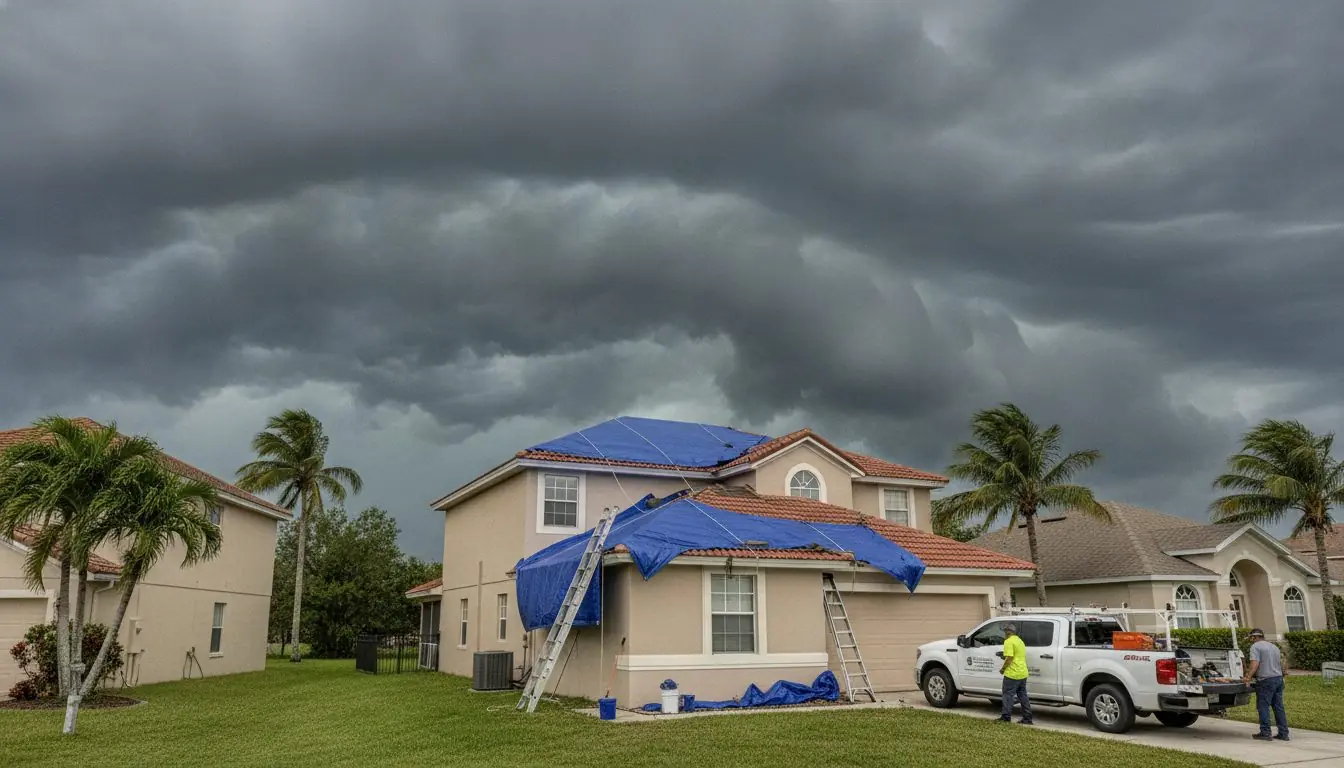
Once a storm is being tracked toward Central Florida, the useful window for roof work is short and mostly limited to clearing loose debris, securing anything that could become wind-borne (patio furniture, loose gutter guards, anything on the roof itself), and confirming attic access in case you need to check for leaks during or after the event. This is not the time to schedule a full inspection or repair — that work needs to happen well ahead of the season, when a contractor can actually get to it before demand spikes.
Recommended next step
The best time for a pre-season roof inspection is early in the year, before the season's first named storm, when there's no backlog and any small repair can be scheduled and completed with time to spare.
Request a Free Inspection