Why this matters
Cost is the number one reason homeowners delay a roof replacement past the point they know it's needed — and delaying often costs more in the long run, through interior water damage, higher energy bills from a failing roof deck, or a denied insurance claim on a roof that was already past its useful life. Understanding your actual financing options before you need a new roof, not while water is coming through the ceiling, puts you in a much stronger position to make a calm decision instead of a rushed one.
If storm damage is involved: insurance first
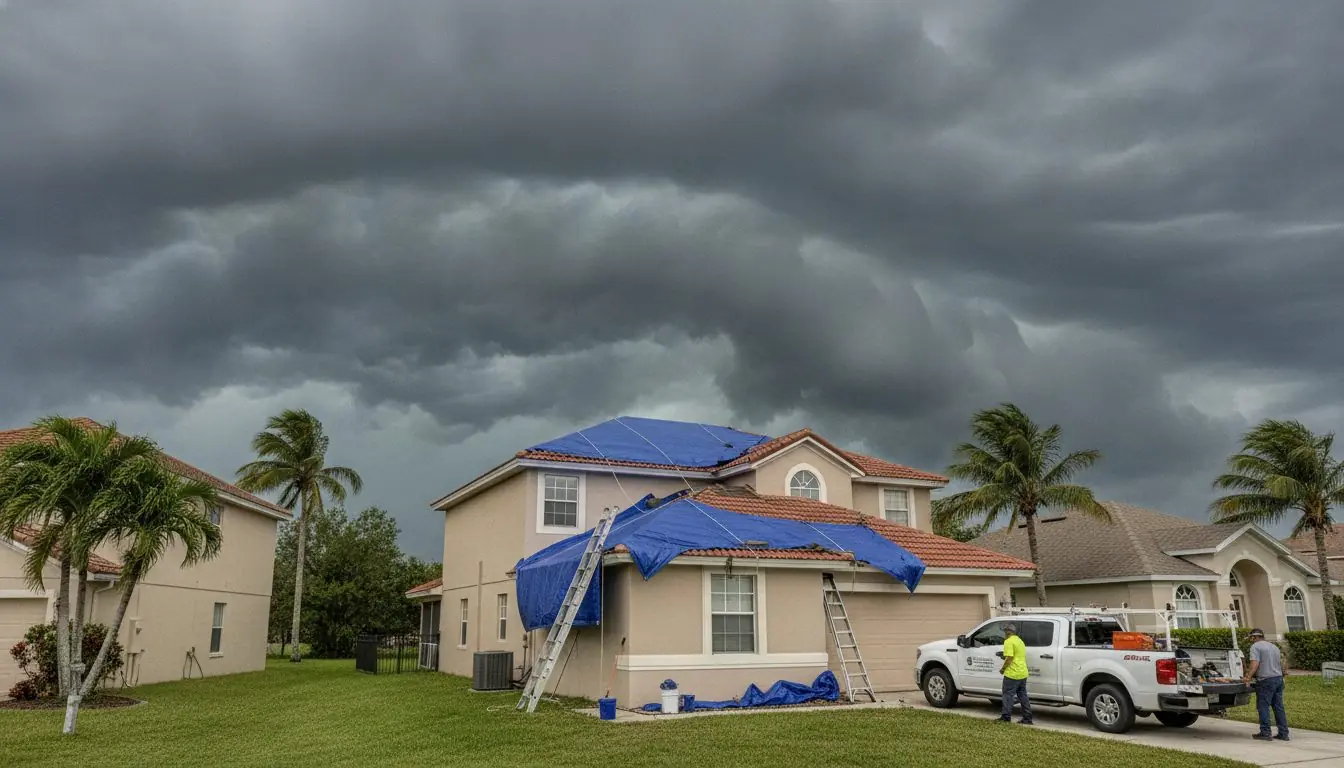
If your roof was damaged by wind, hail, or a named storm, your homeowners insurance policy may cover some or all of the replacement cost, depending on your specific policy, deductible, and the cause and extent of damage. This isn't guaranteed and isn't something a contractor can promise on your behalf — the carrier makes the coverage decision, not the roofer. A documented inspection, photos, and a written scope of damage are what actually support a claim, whether or not you ultimately need financing for anything insurance doesn't cover (like a deductible or code-upgrade costs not covered by your policy).
See our Insurance Claims page for how that process works, and where a licensed contractor's role ends and a public adjuster's role begins.
Home equity: HELOC or home equity loan
For homeowners with equity built up, a home equity line of credit (HELOC) or a home equity loan through a bank or credit union is one of the more commonly used paths, since roofing is a capital home improvement and the interest rate is often more favorable than unsecured personal loan rates. The tradeoff is that it's secured against your home, and approval takes longer than same-day contractor financing — worth starting early if you know a re-roof is coming rather than waiting until it's urgent.
Contractor-arranged financing
Many roofing contractors offer financing arranged through a third-party lending partner, letting you spread the cost over monthly payments instead of paying the full amount up front. Terms, rates, and promotional periods (like a 0%-interest introductory window) vary significantly by lender and by your credit profile, so the real number to focus on is the actual APR and total cost after any promotional period ends — not just the advertised monthly payment. Ask for the lender's name directly and read the term sheet before signing; a contractor who can't or won't name their financing partner is a sign to ask more questions, not fewer.
Cash and savings
Paying outright avoids interest entirely and gives you the most negotiating leverage on price and timeline, but it also means a large one-time outlay. For homeowners weighing cash against financing, it's worth comparing the financing APR against what that same cash could otherwise earn or what other priorities it's needed for — there's no universally "right" answer, just the one that fits your specific finances.
Recommended next step
Get a written, itemized roof estimate first — it's hard to compare financing options meaningfully until you know the real number you're financing. From there, our Financing page walks through Crownline's specific financing options in more detail.
Request a Free Inspection