Why this matters
Water heating is typically one of the larger energy line items in a Florida home, and Florida has more usable sun hours than most of the country to offset it. A solar water heater uses that sun directly to heat water, rather than converting sunlight to electricity first — which makes it a mechanically simpler, often faster-payback system than solar PV, but one with its own set of decisions to get right.
Evacuated tube vs. flat plate collectors
Solar water heaters use one of two collector designs to capture heat from the sun and transfer it to your water supply.
- Flat plate collectors use a dark absorber plate under tempered glass in an insulated box. They're simpler, generally lower cost, and hold up very well in Florida's climate — they have less surface area exposed to wind uplift concerns and fewer individual components that can fail.
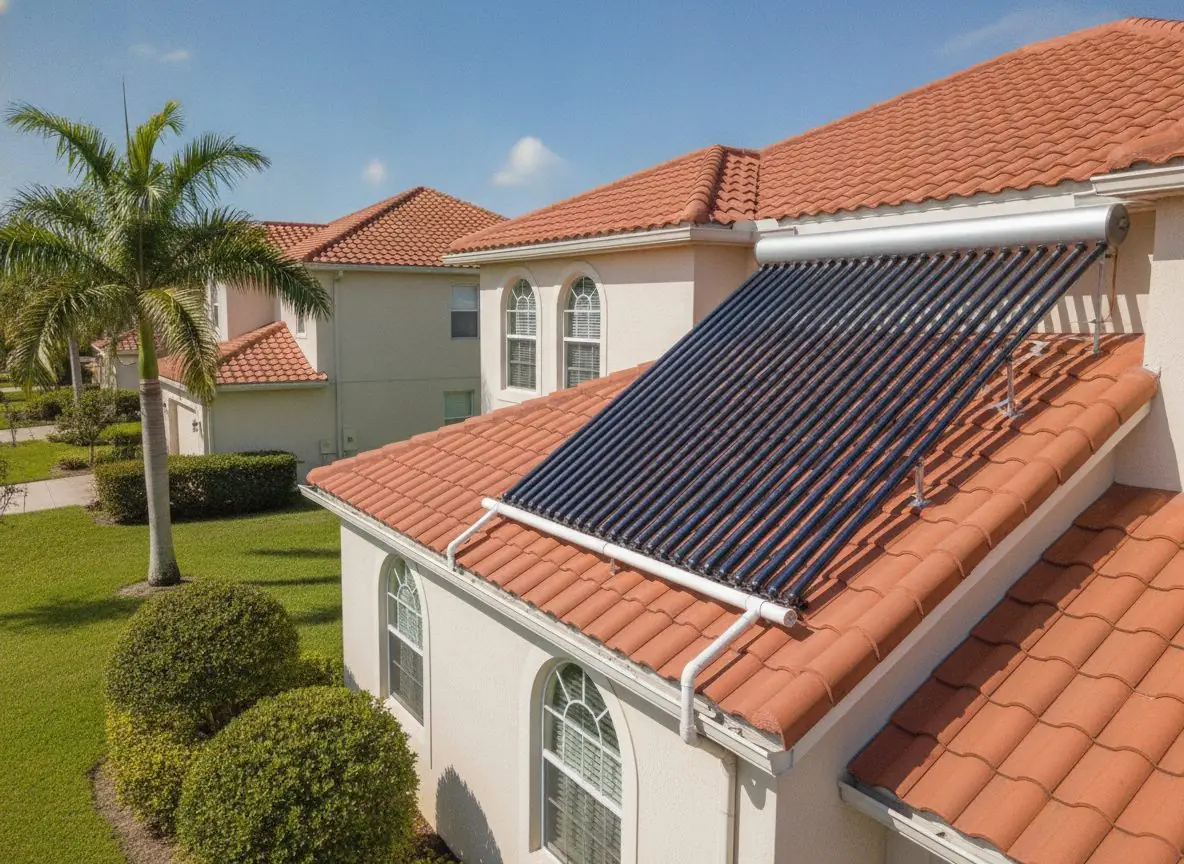
- Evacuated tube collectors use a series of glass tubes, each with a vacuum layer for insulation, which lets them capture heat more efficiently, particularly in cooler or overcast conditions. They can outperform flat plate systems in cloudier climates, but in Florida's high direct-sun climate the efficiency gap versus flat plate narrows, and evacuated tubes typically cost more upfront and have more individual parts (each tube) that can be damaged in a storm.
For most Central Florida homes, flat plate systems are the more common and cost-effective recommendation given the climate, but the right choice still depends on roof orientation, shading, and household hot water demand.
Cost and savings
Solar water heater system cost depends on collector type, tank size, roof configuration, and whether existing plumbing needs modification. Ongoing savings depend on your household's hot water usage and your current water heating fuel source (electric resistance tends to show the biggest solar offset), but homeowners in sun-heavy climates like Central Florida's often see a meaningful share of their water heating cost eliminated once the system is producing.
What installation involves
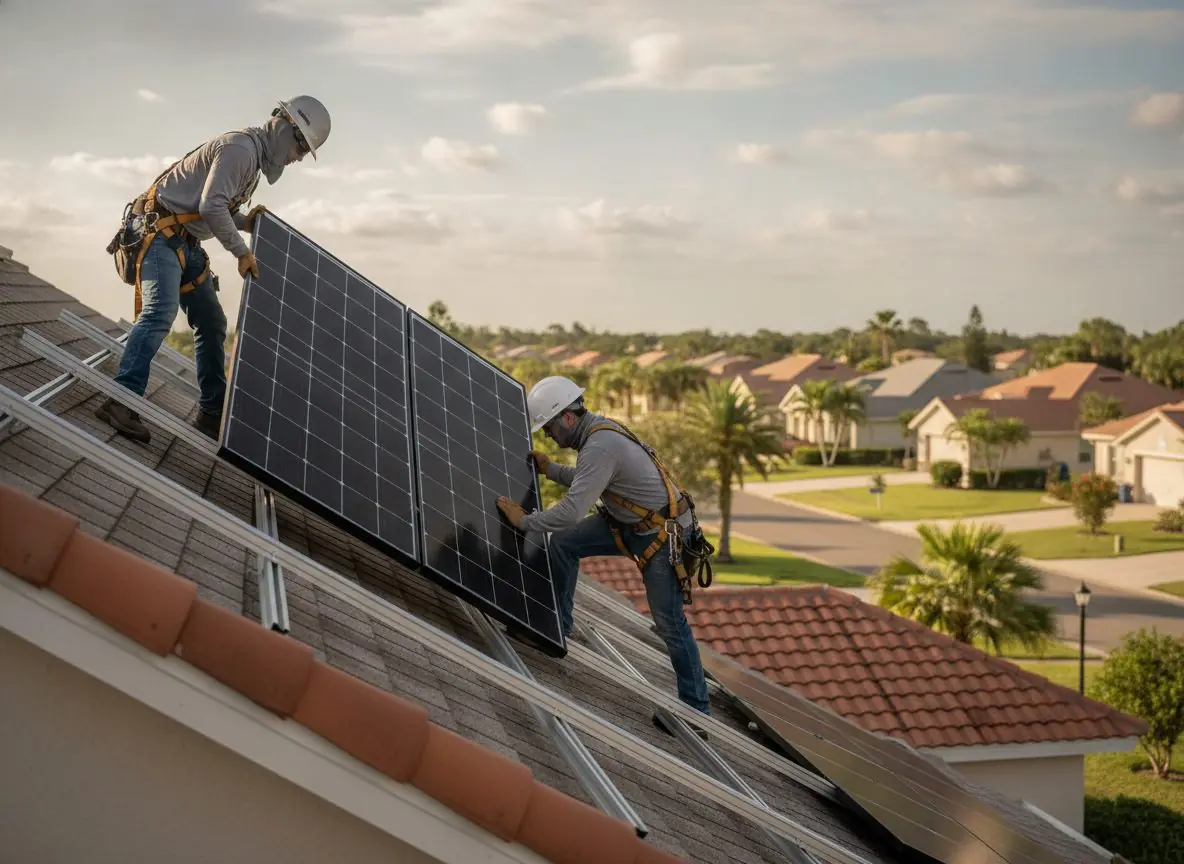
A typical install includes mounting the collector array on a roof section with good, unshaded southern or western exposure, running insulated piping between the collector and a storage tank (often a modified or dedicated solar-ready tank), and integrating a small backup heating element or connection to your existing water heater for cloudy days or high-demand periods. Because this work involves roof penetrations and structural attachment, it should always be evaluated by someone who understands the roof underneath it, not just the plumbing above it — see Solar Water Heaters for how Crownline approaches this as a roofing company first.
The 2026 tax credit situation — read this before you budget
For years, marketing materials for solar water heaters (and solar generally) advertised a 30% federal residential tax credit under Section 25D of the tax code. That credit expired December 31, 2025 under the 2025 One Big Beautiful Bill Act and does not apply to systems placed in service in 2026 or later. If you see a solar water heater pitch citing a federal tax credit for a straight 2026 purchase, that claim is out of date — verify it directly rather than taking it at face value. Florida's property tax exemption and sales tax exemption for qualifying solar equipment remain active separately from the expired federal credit; see Solar Incentives in 2026: What Actually Still Applies for the full, current breakdown.
Recommended next step
Crownline evaluates your roof's orientation, shading, and structural condition alongside your household's hot water usage before recommending a collector type and system size — not a one-size answer.
Request a Free Inspection