Why this matters
A field-ready checklist for organizing photos, dates, observations, temporary repairs, and contractor communication after a Florida storm. For homeowners and property managers dealing with suspected storm damage, the decision is rarely just about the product or the first number on a proposal. It is about whether the work can be documented, coordinated, permitted, inspected, and maintained without leaving important assumptions hidden.
That is why this topic should be treated as a short decision file. The right answer depends on the property, the existing condition, the weather exposure, the contract, and the people responsible for the next step. A good conversation makes those conditions visible before work begins.
What to check first
- Record the storm date, weather event, visible damage, interior impacts, and any emergency steps taken.
- Photograph wide context and close details without moving dangerous materials or creating additional damage.
- Keep inspection reports, estimates, receipts, mitigation invoices, correspondence, and adjuster appointments together.
- Ask the contractor to separate observed damage, recommended work, optional improvements, and conditions requiring carrier review.
Ask for the source document or field observation behind each answer. A photograph, approval, inspection record, product document, or written scope is more useful than a confident sentence that cannot be checked later.
Common mistakes to avoid
- Throwing away damaged materials before the insurer or qualified inspector can document them.
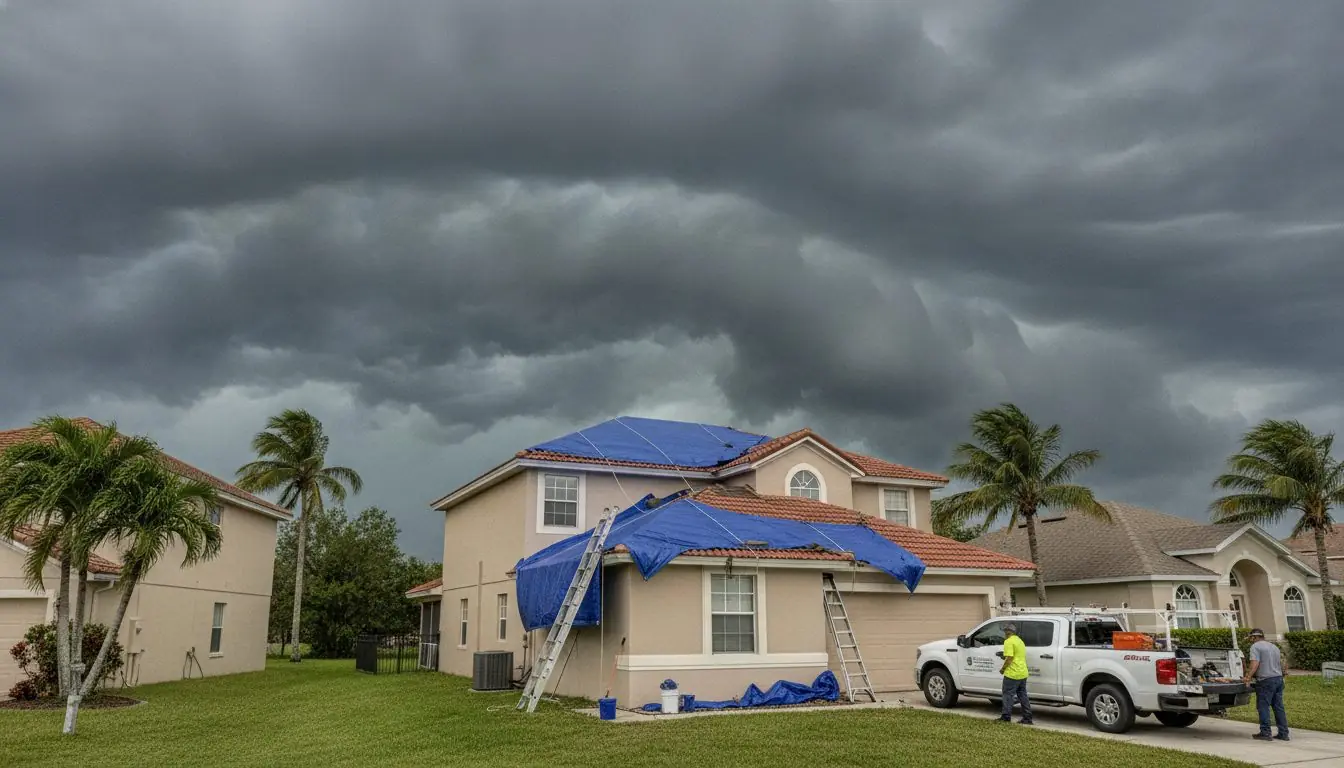
- Using temporary repairs that create new damage or violate safety requirements.
- Assuming a contractor estimate is the same as an insurance coverage decision.
- Allowing phone conversations and texts to replace a dated written project record.
When one of these risks appears, slow the decision down enough to define responsibility. That may mean a better inspection, a revised scope, a permit question, a carrier conversation, or a written change record. It does not automatically mean buying the most expensive option.
Recommended next step
Create a dated storm file first, then request a documented inspection and notify the carrier according to the policy. Bring the address, existing documents, photographs, and the questions above to the first professional conversation. The goal is a documented recommendation that explains what is known, what is assumed, and what still needs confirmation.
Request a Free Inspection