Why this matters
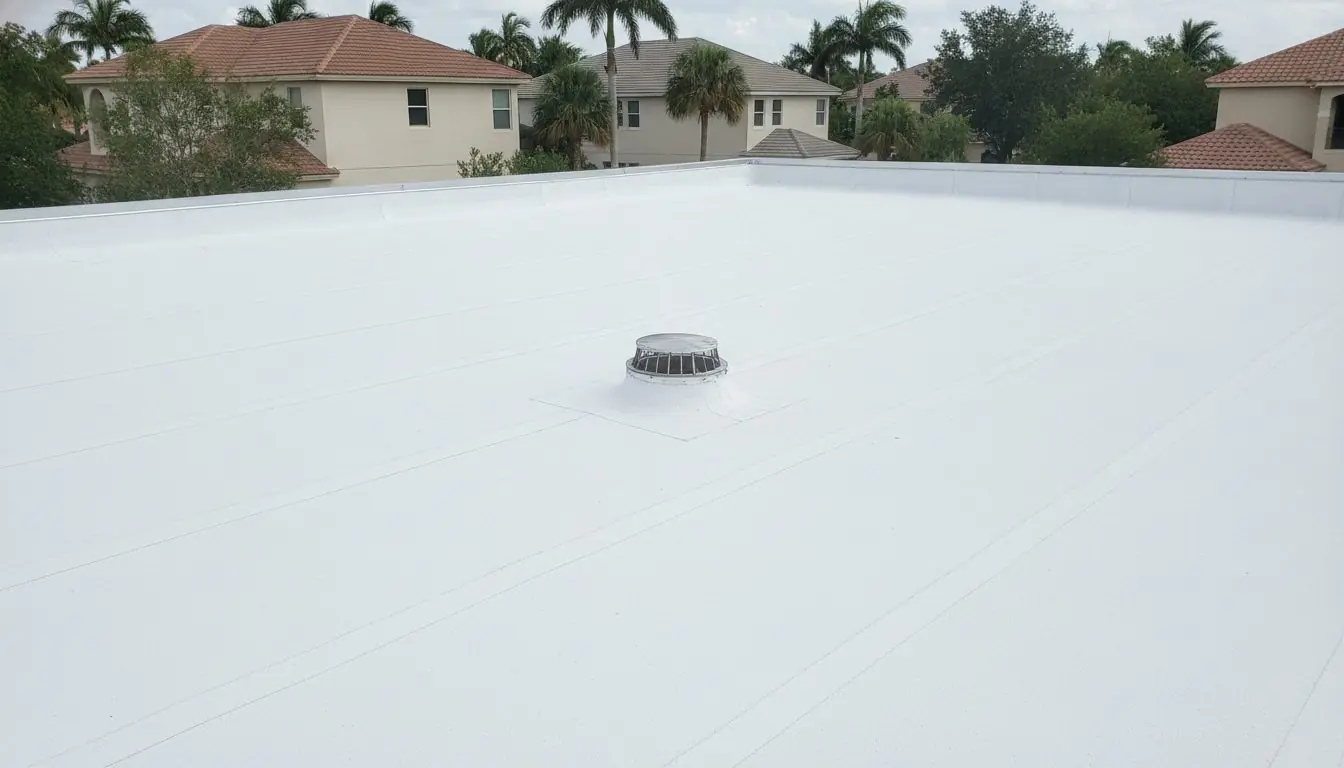
Commercial flat roofs in Central Florida deal with two hard conditions every year: intense summer heat that stresses membranes and seams, and heavy, sustained rain that finds every weak point in drainage. A roof with no standing maintenance plan tends to fail at the same handful of predictable spots — clogged drains, seam separation, and flashing failures around penetrations — and those failures are almost always cheaper to catch early than to repair after they've caused interior water damage.
What a real maintenance program actually covers
A maintenance program isn't a single annual inspection — it's a recurring routine plus documentation, so problems get caught between scheduled inspections too.
- Drain and scupper clearing — debris, leaves, and sediment build up fastest around roof drains and gutters, and a clogged drain during a heavy Central Florida downpour is one of the most common causes of ponding and interior leaks.
- Seam inspection — heat-welded (TPO), adhered (EPDM), or torch/hot-mopped (modified bitumen) seams are the most likely failure point on any single-ply or built-up system; see our TPO vs. EPDM vs. modified bitumen guide for how each system's seams behave differently.
- Flashing checks — around HVAC curbs, pipe penetrations, parapet walls, and expansion joints, where the membrane transitions to another material and is most prone to separating.
- Ponding water assessment — standing water that doesn't drain within 48 hours accelerates membrane degradation and UV breakdown at that spot specifically.
- Membrane condition — checking for blistering, cracking, granule loss (on cap sheets), or UV degradation across the field of the roof, not just at the edges.
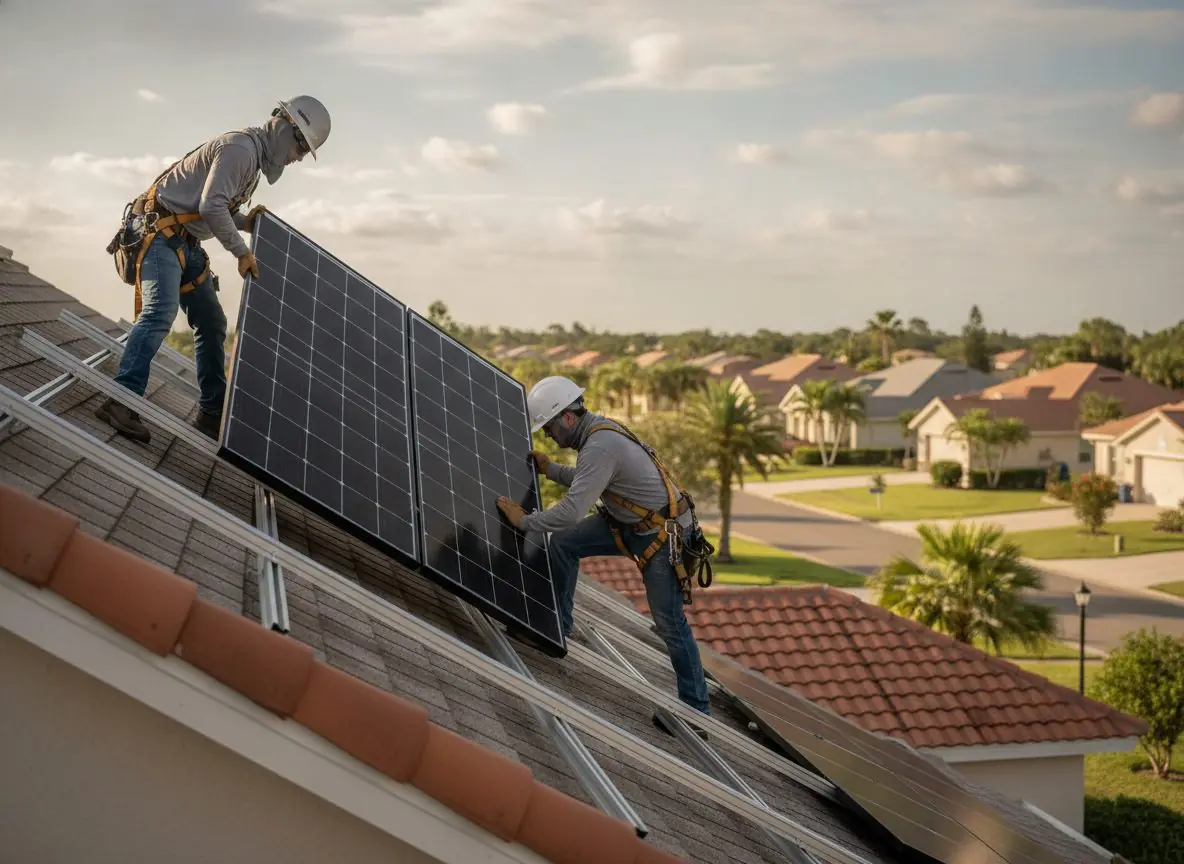
- Rooftop equipment condition — HVAC units, satellite mounts, and solar racking all create penetration points that need their own flashing checks.
A reasonable inspection schedule
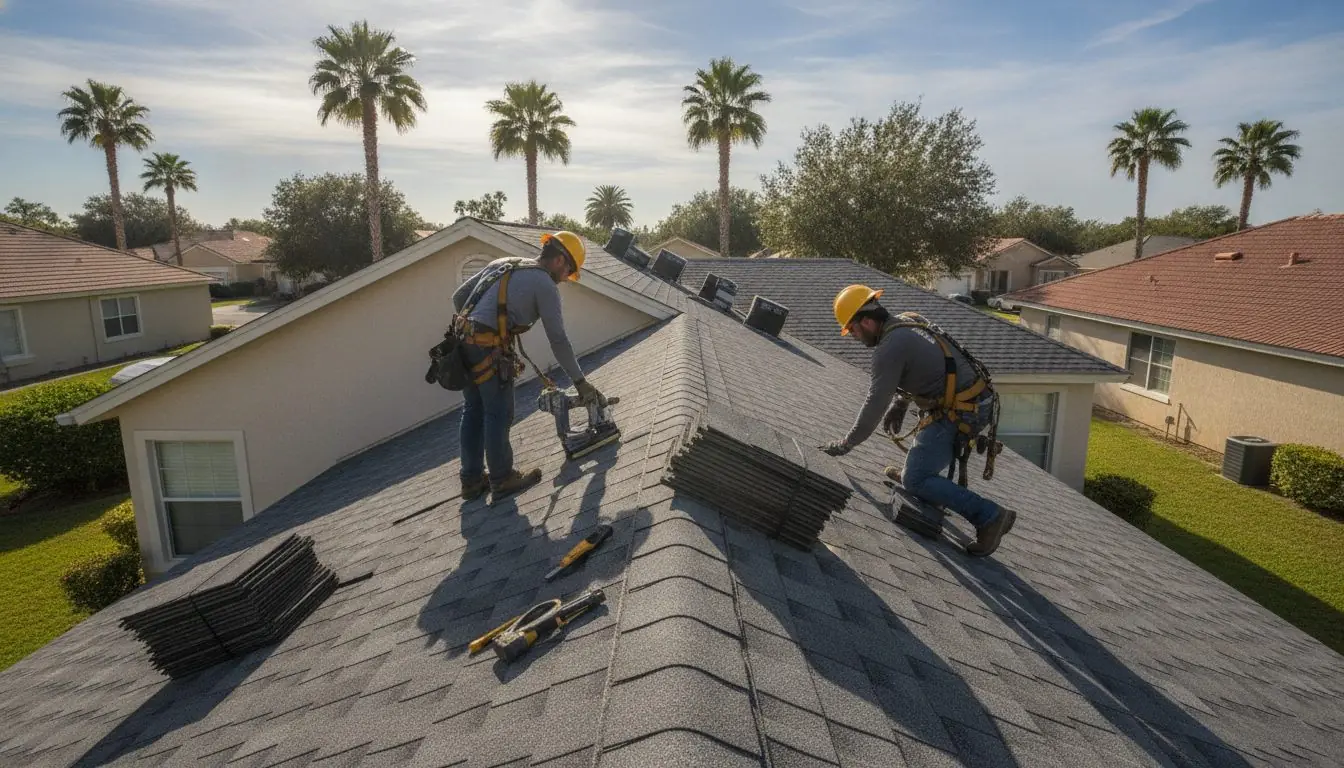
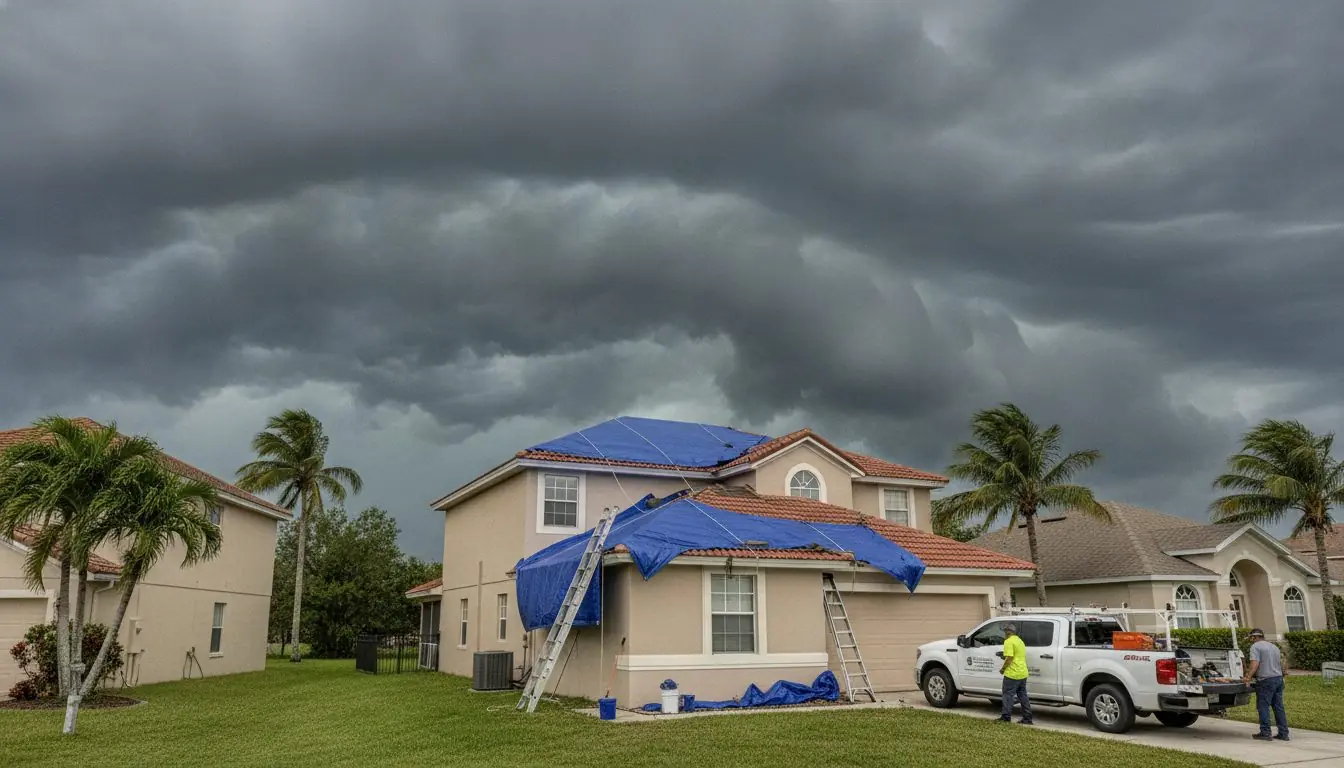
Most commercial roofs benefit from a spring inspection (before summer storm season) and a fall inspection (after hurricane season has passed), plus a walk-through after any major named storm regardless of visible damage — see our general guide on inspection frequency for how this compares to residential timing. Buildings with rooftop HVAC, solar, or heavy foot traffic often warrant more frequent checks since mechanical work on the roof is a common source of accidental membrane damage.
Why documentation matters as much as the inspection itself
A maintenance program that isn't documented doesn't help you when it's time to file a warranty claim, negotiate with insurance after storm damage, or budget for a future re-roof. Photo-documented inspection reports with dated findings give you a real maintenance history — useful for warranty compliance (many commercial warranties require documented maintenance), budget planning, and any future insurance claim.
Recommended next step
We'll set up a documented, scheduled maintenance program for your building — drains, seams, flashings, and membrane condition, checked on a real calendar with photo records you actually keep, not a one-time inspection that gets forgotten.