Why this matters
Most roof damage doesn't announce itself with an obvious leak — it starts as a lifted shingle edge, a compromised seam, or a small flashing gap that only shows up when someone actually looks. Waiting for a leak to schedule your first inspection means you're already reacting to interior damage instead of catching a roof problem while it's still a roof problem. A regular inspection schedule catches issues while they're a repair, not a replacement.
A baseline schedule for residential roofs
- New roofs (0-5 years): An annual inspection is usually enough — the roof is under warranty and unlikely to show age-related wear, but an annual check confirms the installation is holding up as expected.
- Mid-life roofs (5-15 years): Twice a year — once in spring before summer storm season, once in fall after hurricane season has passed. This is when granule loss, sealant aging, and minor storm wear start to show up.
- Older roofs (15+ years, or approaching the manufacturer's expected lifespan): Twice a year at minimum, since aging materials are more likely to show developing problems between scheduled checks. See our roofing warranty guide if you're trying to determine how much service life realistically remains.
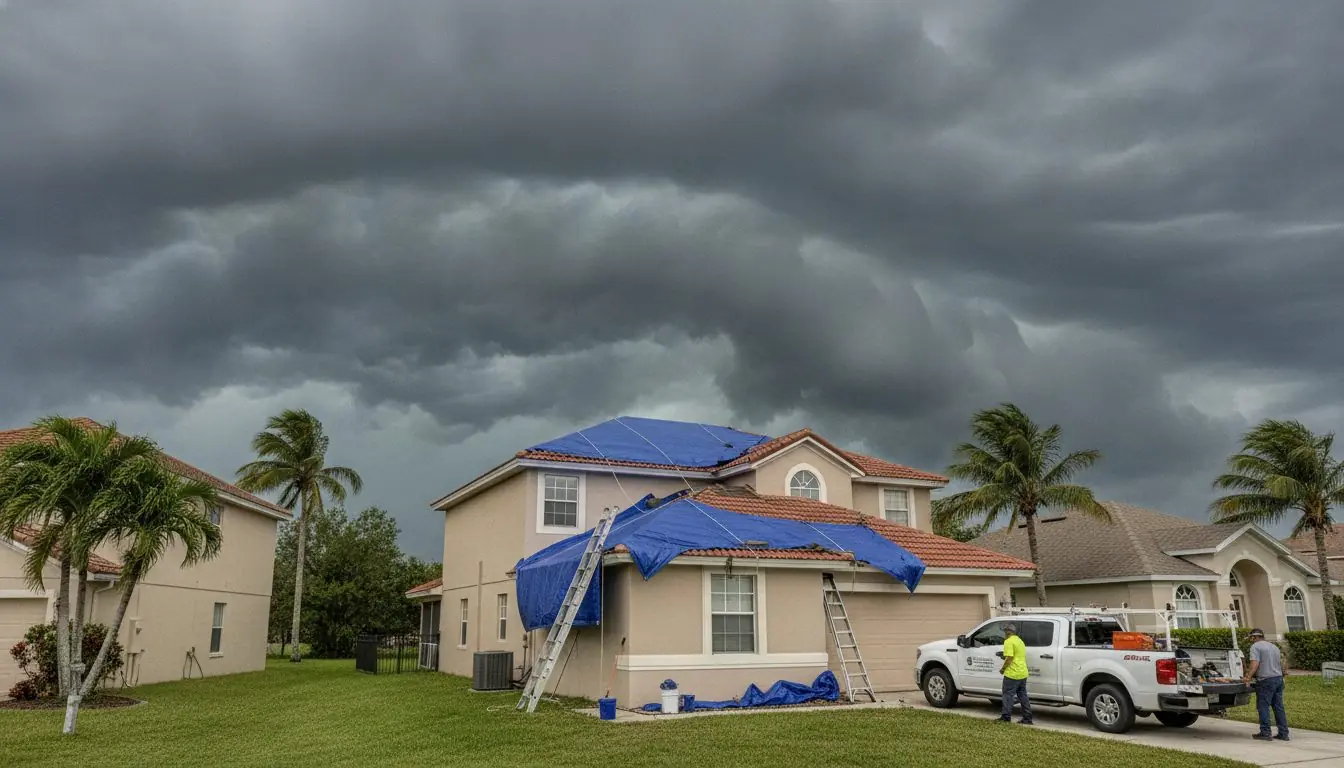
- After any named storm or significant hail/wind event: Always, regardless of the roof's age or your last inspection date — storm damage isn't always visible from the ground, and documenting it promptly matters if you end up filing an insurance claim.
Commercial buildings need a different rhythm
Low-slope commercial roofs (TPO, EPDM, modified bitumen) fail differently than residential shingle roofs — at drains, seams, and flashings rather than across the whole surface — and typically warrant a standing maintenance program rather than an occasional look. See our commercial roof inspection checklist and flat roof maintenance guide for what that program should actually include.
Signs that mean "inspect now," regardless of schedule
- Visible granule loss in gutters or around downspouts after a storm
- Curling, lifted, or missing shingles visible from the ground
- Ceiling stains, musty attic smells, or visible daylight through the attic roof deck
- Sagging rooflines or soft spots noticeable when walking a low-slope roof
- Any hail event in your area, even if your roof looks fine from the street
What a Crownline inspection actually includes
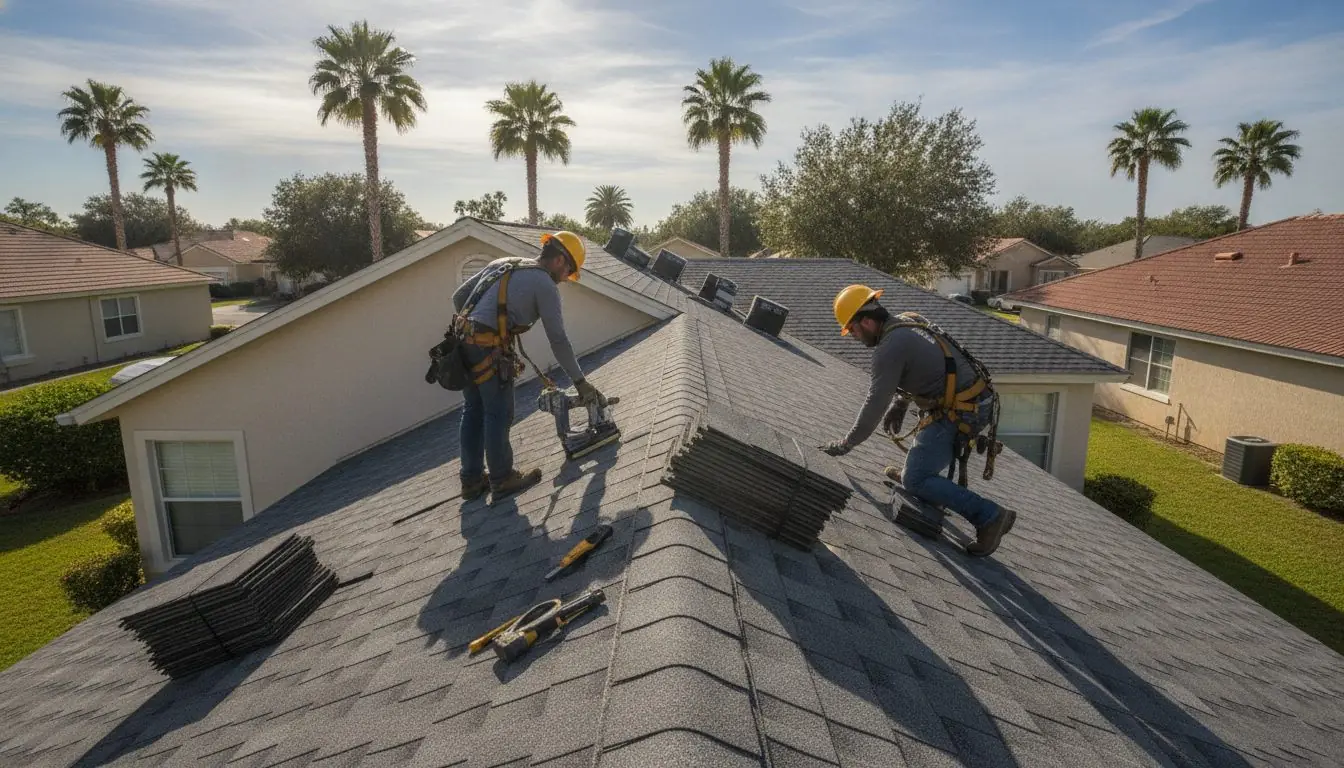
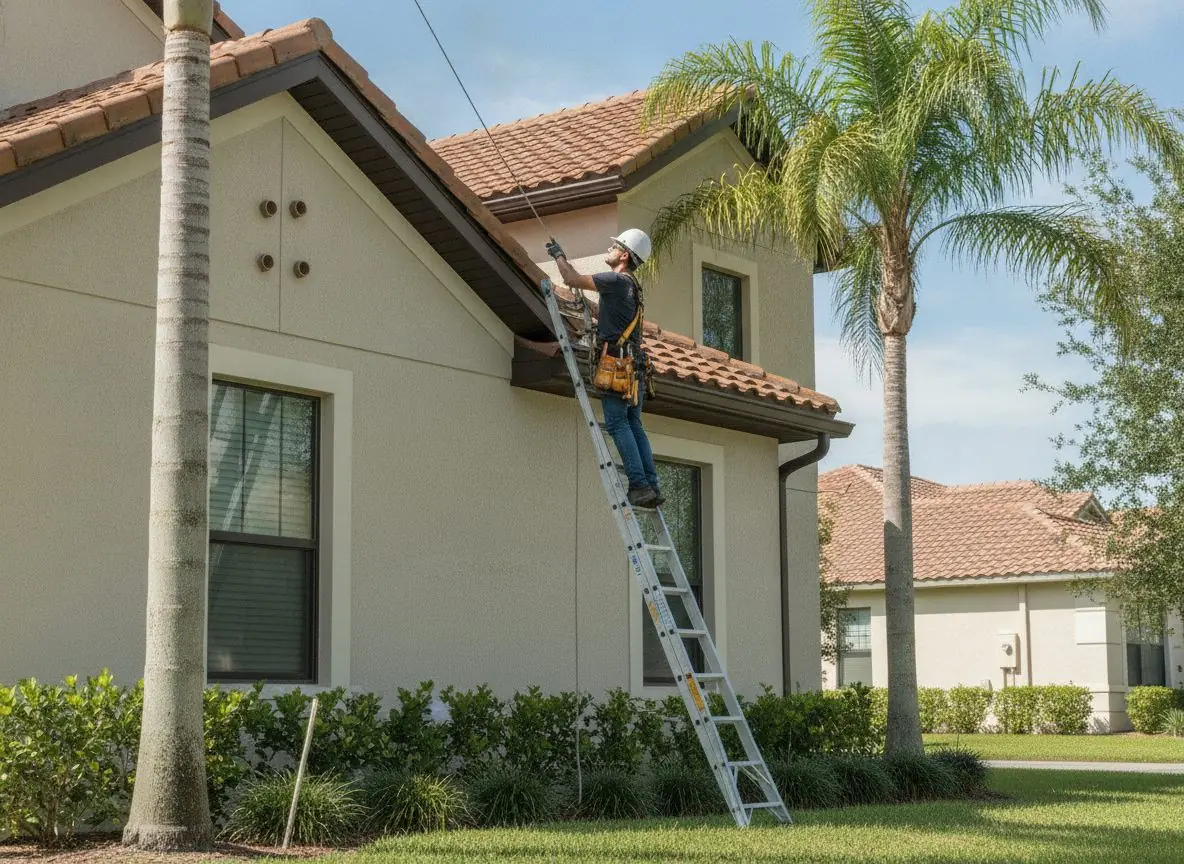
A real inspection means someone gets on the roof (or uses appropriate access for steep or hazardous roofs), checks the field, flashings, penetrations, and edges individually, photographs anything questionable, and gives you a written scope with a clear recommendation — monitor, repair, or replace — not a verbal "looks okay."
Recommended next step
If it's been more than a year since your last inspection, or you've had a storm come through since then, get on the schedule. We'll document what we find with photos and give you a straight answer about what — if anything — needs attention.