Why this matters
A denial letter is upsetting, especially with an obviously damaged roof overhead. But a denial is a specific, written decision by the insurance carrier — not the end of every option, and not something Crownline Roofing, as a licensed contractor, can override or reverse on your behalf. What follows is a realistic look at what homeowners can actually do next, in order of how most people approach it.
Step 1: Read the denial letter carefully
Florida insurers are required to state a reason for denying a claim. Common reasons include: the damage is attributed to wear and tear or lack of maintenance rather than a covered event, the damage is deemed cosmetic under a policy exclusion, the loss doesn't meet the policy's definition of a covered peril, or the claim was filed outside the policy's reporting window. Understanding the stated reason determines which next step actually applies to your situation.
Step 2: Compare the reason against your own documentation
If you have dated photos, a contractor's written scope, or an independent inspection report, compare it directly against the carrier's stated reason. If the denial says "pre-existing wear and tear" but your documentation shows the damage pattern is consistent with a specific storm date, that gap is exactly what a supplement or reconsideration request is meant to address.
Step 3: Request reconsideration or a supplement with new documentation
If a licensed roofing contractor identifies damage or evidence the insurer's inspection didn't account for, submitting that documentation as a formal supplement or reconsideration request to the same claim is a normal, non-adversarial next step. This might include additional photos, a more detailed scope of repair, or evidence of the specific storm event (National Weather Service data, for example) tying the damage to a covered date. This does not guarantee the denial will be reversed — the carrier reviews and decides.
Step 4: Consider a licensed public adjuster
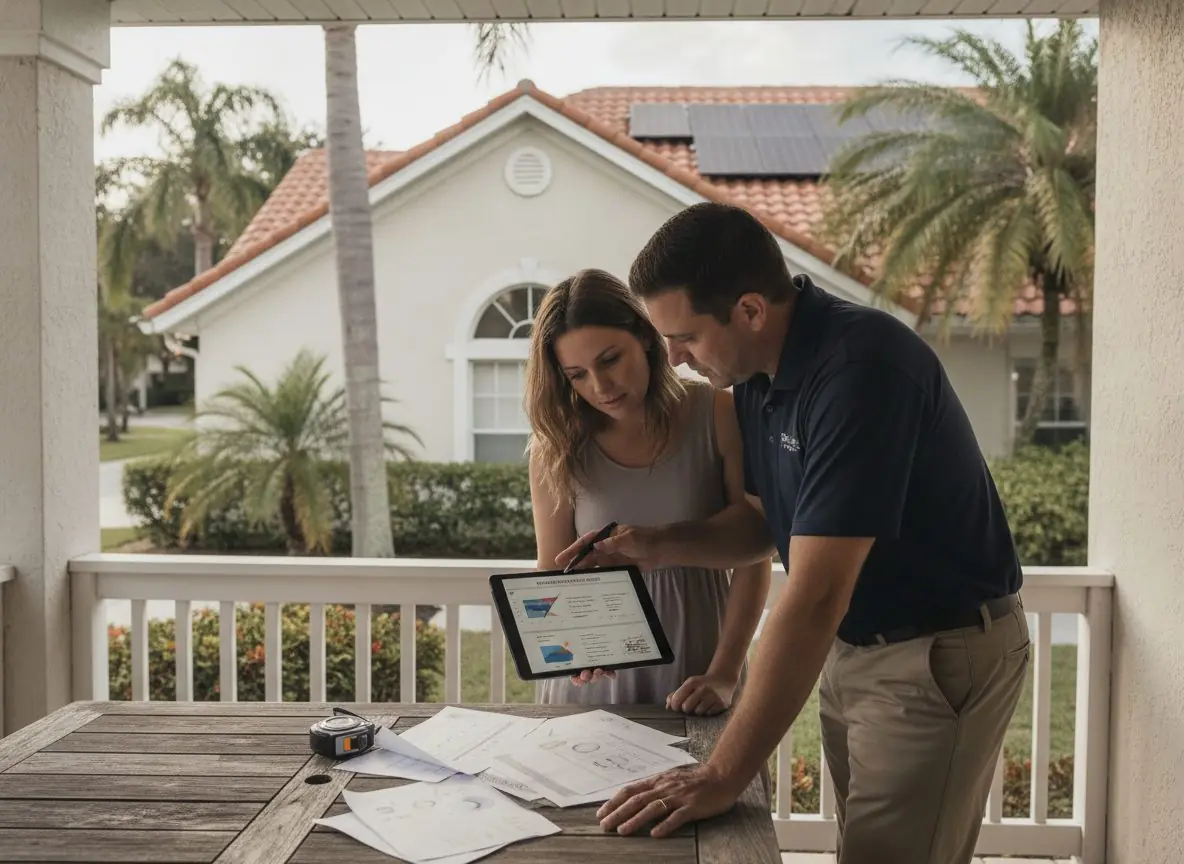
If the denial stands after reconsideration, or the dispute involves a more complex disagreement about coverage or valuation, a licensed public adjuster is a separate, licensed profession in Florida whose job is to represent the policyholder's interests in the claim — negotiating with the carrier, building a more formal case for coverage, and handling communication so you don't have to. Crownline Roofing is a roofing contractor, not a public adjuster, and does not represent policyholders in a coverage dispute the way a public adjuster does. See our comparison of the two roles.
Step 5: Consult an attorney if the dispute continues
For claims that remain unresolved or involve a serious disagreement over the carrier's handling of the claim, a Florida attorney who handles property insurance disputes can advise on formal options, including appraisal (a process built into many policies for resolving valuation disagreements) or litigation. This is a legal decision that depends on the specifics of your policy and claim, and it's outside the scope of what a roofing contractor can advise on.
Step 6: Know the timeline you're working within
Florida law sets specific time limits for challenging a claim denial or filing suit over a property insurance dispute. Don't wait to find out these dates only after they've passed — ask your insurer, a public adjuster, or an attorney early if you're considering any of these paths.
Recommended next step
If the roof itself still needs repair regardless of the claim's outcome, Crownline can still provide an independent inspection, written scope, and repair estimate — useful whether you're pursuing a supplement, working with a public adjuster, or paying out of pocket.
Request a Free Inspection