Why this matters
Homeowners often assume a roofing contractor and a public adjuster do the same job during an insurance claim, or that hiring one makes the other unnecessary. Neither is true. They're two separate, licensed professions in Florida with different training, different legal authority, and different responsibilities. Understanding the real distinction helps you decide who you actually need — and it's exactly the kind of honest explanation most contractor websites skip because it's easier to imply they can do everything.
What a public adjuster actually does
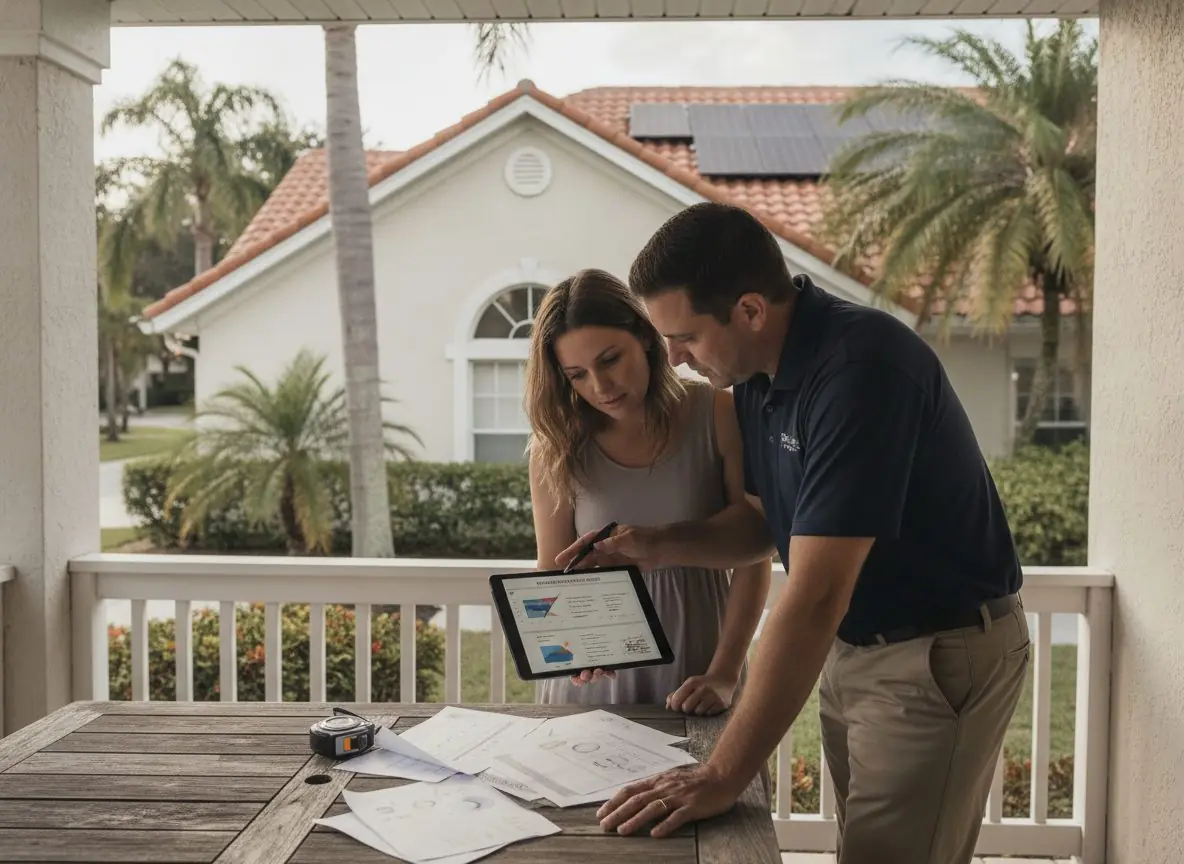
A public adjuster is licensed by the State of Florida specifically to represent the policyholder — you — in an insurance claim. Their job includes reviewing your policy in detail, preparing and presenting the claim (or a supplement to an existing claim) to the insurer, negotiating the settlement on your behalf, and generally acting as your advocate throughout the claims process. Public adjusters are typically compensated as a percentage of the claim settlement, which is itself regulated under Florida law. They do not perform the physical roof repair.
What a roofing contractor actually does
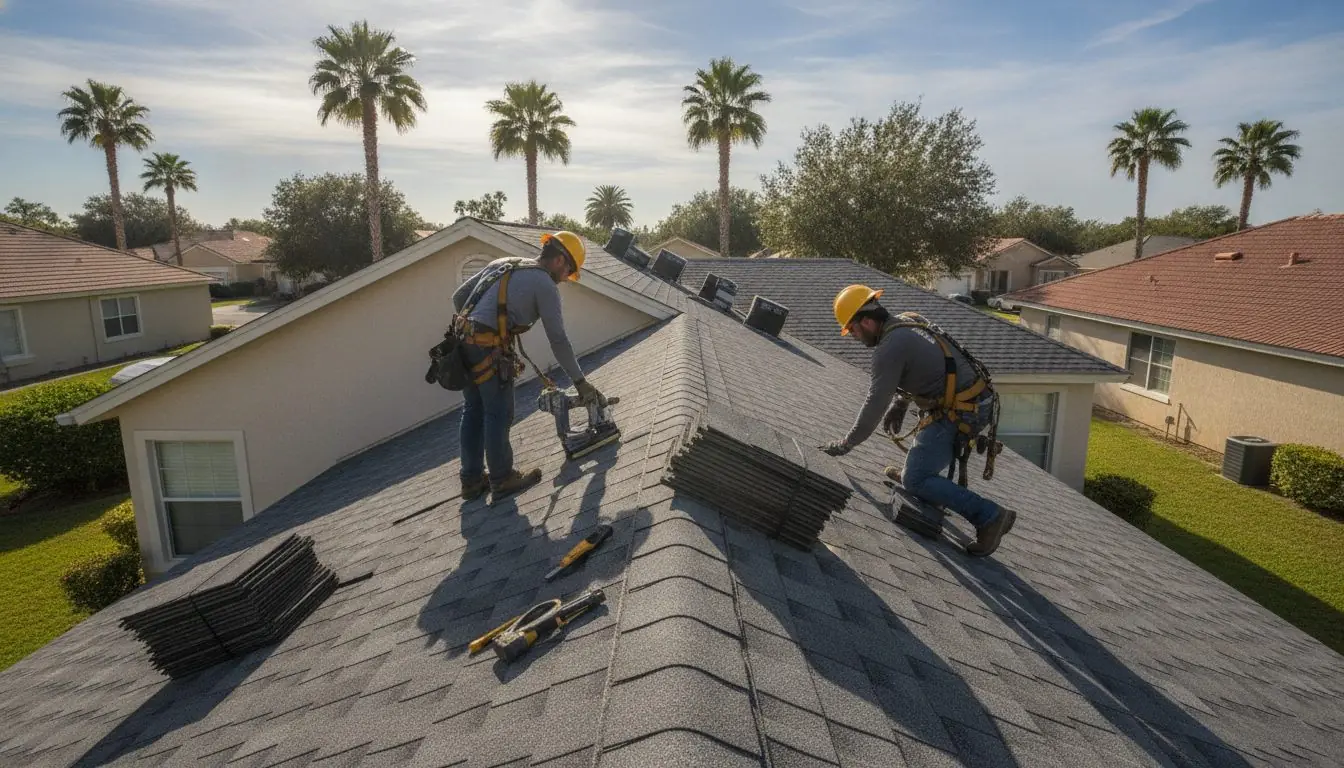
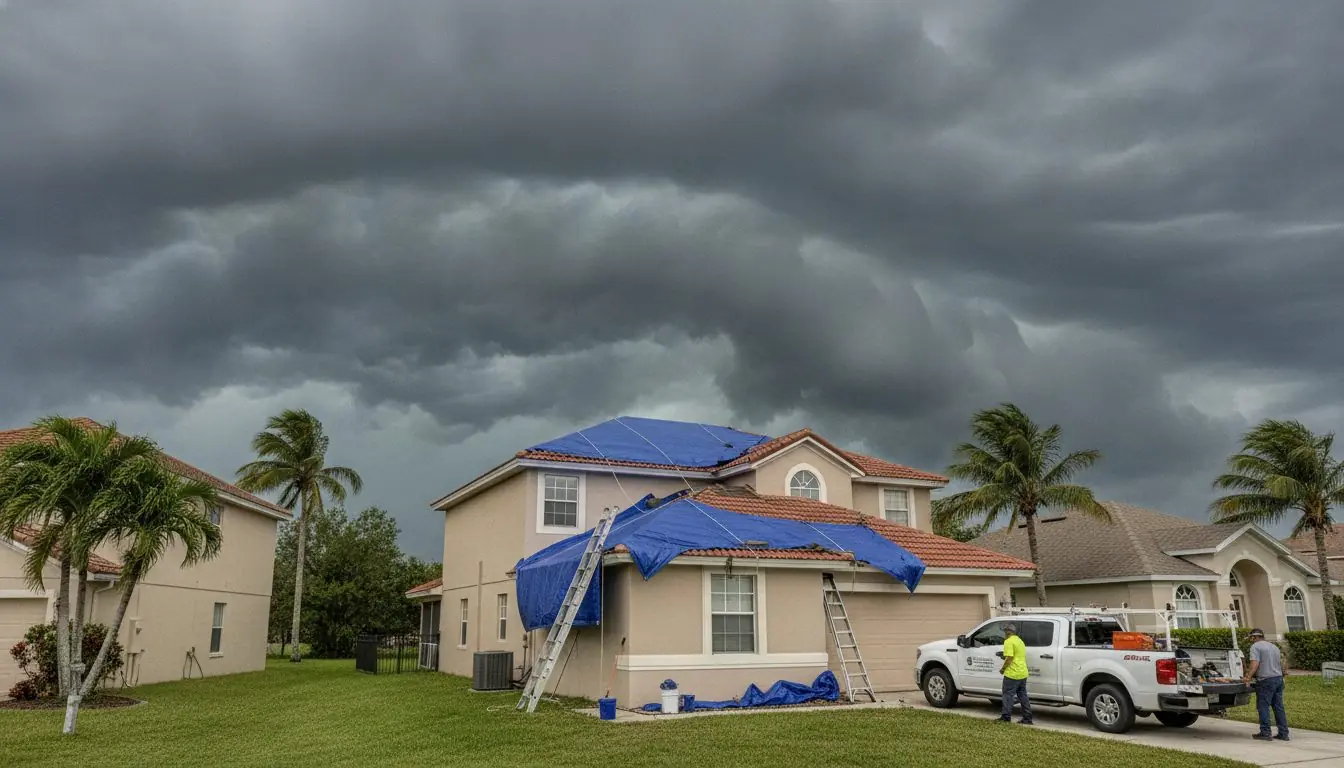
A licensed roofing contractor like Crownline Roofing inspects the physical roof, documents visible and hidden damage, prepares a written scope of repair (often written to the estimating format many Florida insurers already use, so it's easier for the carrier to evaluate quickly), and can meet the insurance adjuster on-site to walk through the damage as the contractor of record. If the insurer's initial scope misses documented damage, a contractor can submit a supplement request with additional evidence. What a contractor does not do is represent you in a coverage dispute, negotiate your settlement as your legal advocate, or make the final call on what your policy covers — that decision belongs to the insurance carrier, and formal representation in a dispute belongs to a public adjuster or attorney.
Where the two roles overlap, and where they don't
- Both can document damage and provide supporting evidence for a claim.
- Only a public adjuster is licensed to negotiate your settlement and represent your interests directly to the insurer as your advocate.
- Only a roofing contractor actually performs the physical repair or replacement once the claim is resolved.
- Neither can guarantee a specific claim outcome or settlement amount — that authority sits with the insurance carrier alone.
Do you need both?
For a straightforward claim with clear, well-documented storm damage, many homeowners work directly with their insurer and a roofing contractor, without a public adjuster, and reach a fair resolution. For a claim that's disputed, undervalued, denied, or simply complex enough that you want dedicated representation, a licensed public adjuster fills a role a contractor legally cannot. It's common, and reasonable, to use both: a roofing contractor for the physical inspection, documentation, and repair, and a public adjuster (if the situation calls for it) to handle the claim negotiation itself. If your dispute involves a denial, see our guide on what to do next.
How Crownline fits into either scenario
Whether or not you bring in a public adjuster, Crownline can provide the documented inspection, written scope, and adjuster-meeting support that any claim needs on the contractor side — and hand that documentation directly to a public adjuster if you've hired one. We're straightforward about which parts of this process are ours to do, and which parts belong to a different license entirely.
Request a Free Inspection