Why timing matters
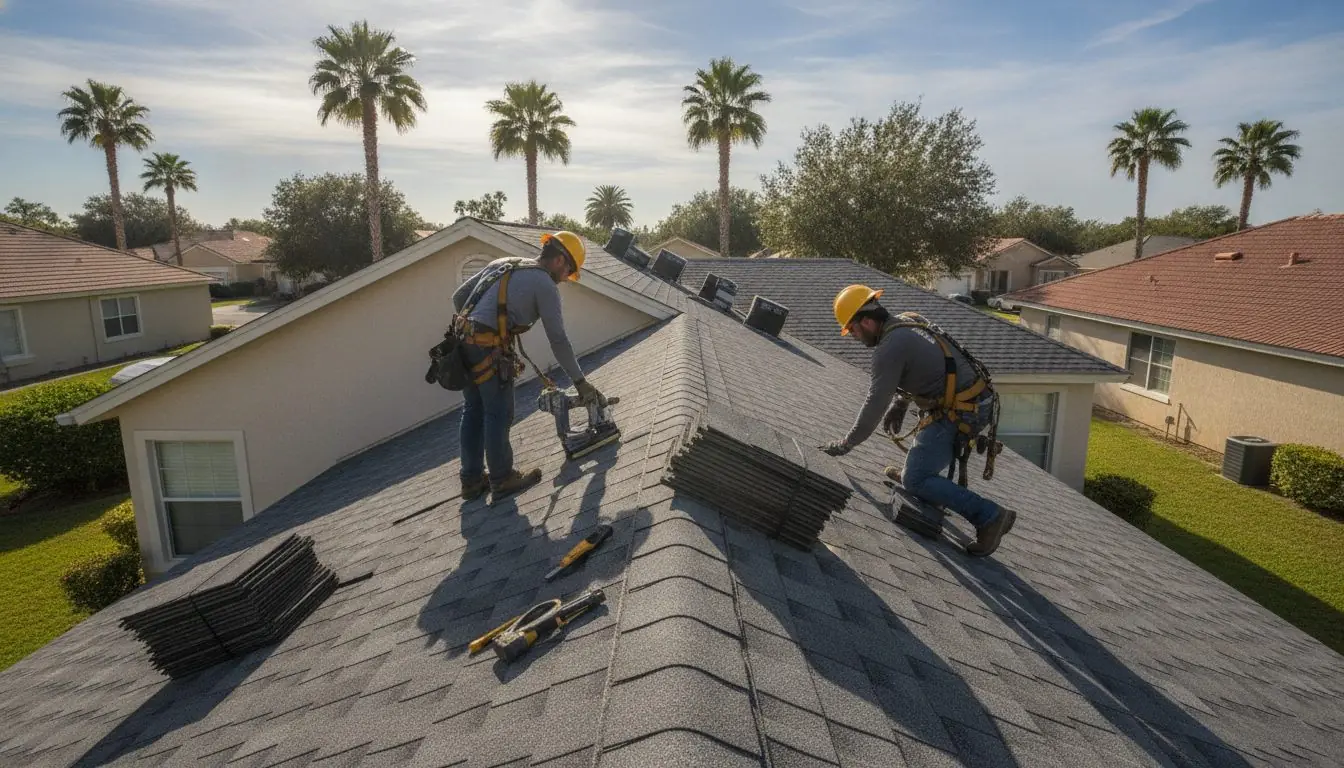
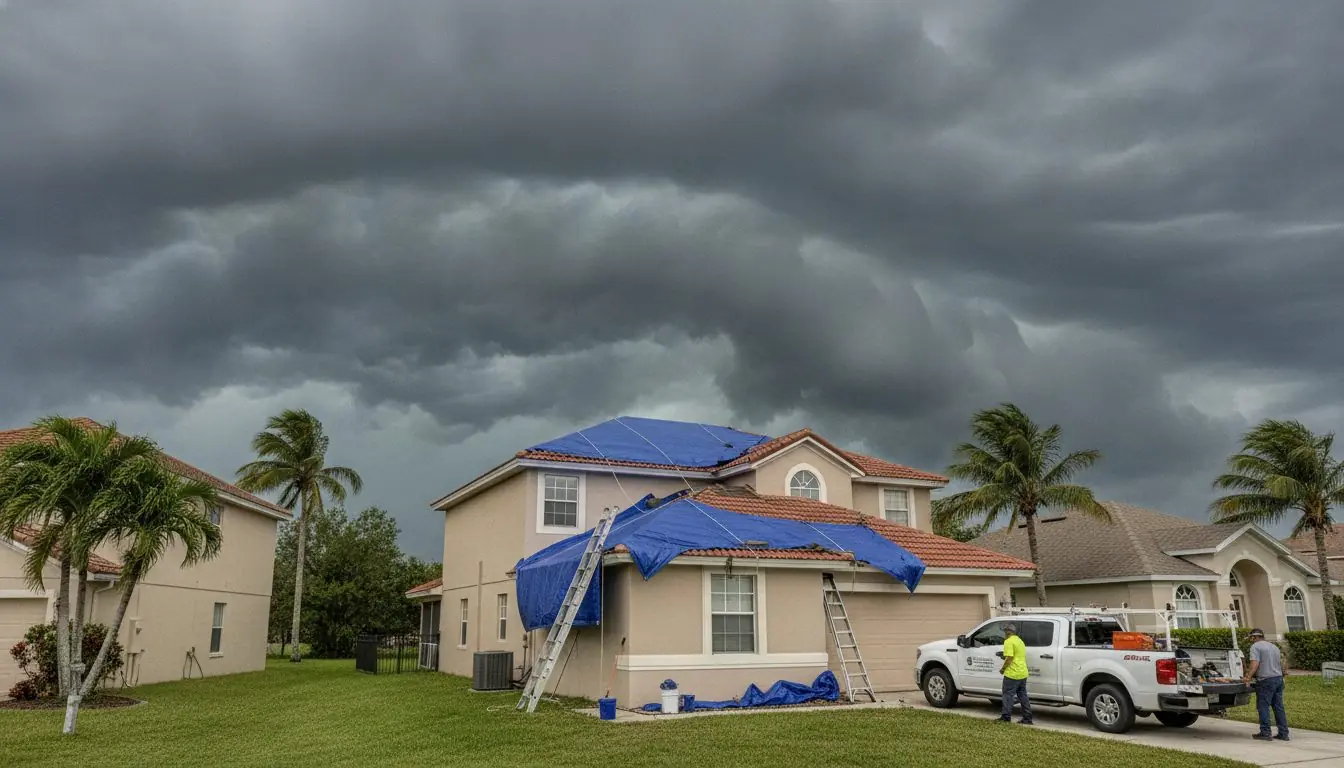
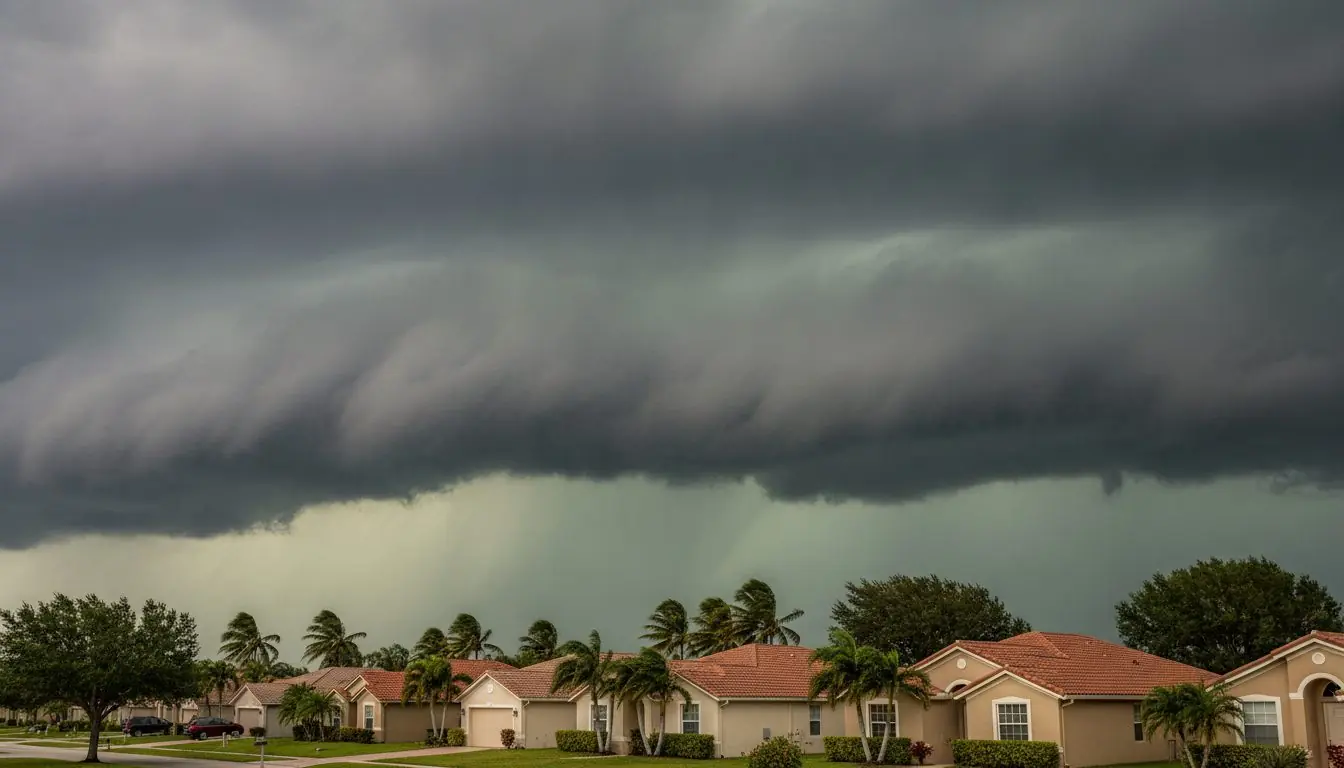
Atlantic hurricane season runs June through November, which means most of the year is live risk for Central Florida roofs. Roofing crews get booked solid in the days before a storm is projected to make landfall, and a roof with existing problems is far more likely to fail under wind and rain load than one that's sound going in. The signs below are worth checking now, while you still have time to get an inspection, a repair, or a replacement scheduled on your terms.
Signs visible from the ground or a quick attic check
- Curling, cupping, or cracked shingles — a sign the material has aged past flexibility and is more likely to lift or tear in high wind.
- Missing or exposed granules in gutters or downspouts, or bald-looking patches on the roof — granule loss means reduced UV and impact protection right where you need it most.
- Visible daylight or gaps in the attic where the roof meets the walls, or around vents and chimneys — a direct path for wind-driven rain during a storm.
- Sagging rooflines or soft spots you can feel underfoot near valleys or low points — often a sign of decking damage that's been developing for a while.
- Cracked, lifted, or missing tiles on a tile roof — even a few loose tiles are a wind-uplift risk and a source of storm debris that can damage the rest of the roof.
- Rust streaks, loose fasteners, or lifted seams on a metal roof — early signs of the fastening system starting to fail.
Signs inside the house
- Water stains on ceilings or upper walls, even small or old-looking ones — these mean water has already found a way in at least once.
- Musty odors or visible mold in the attic — a sign of ongoing moisture intrusion that's easy to miss from a quick walk-through.
- Daylight visible through the roof deck when you look up in the attic during daytime — an unambiguous sign of a gap that needs immediate attention.
- Rising energy bills without another clear explanation — often connected to ventilation or insulation problems tied to roof condition.
Age and history matter as much as visible symptoms
A roof can look fine from the ground and still be near the end of its service life — shingle sealant bonds weaken with age even before curling becomes visually obvious, and a tile roof's underlayment can be failing while the tiles themselves still look intact. If you don't know your roof's installation date, or it's approaching the typical range for its material, that's reason enough for a pre-season inspection even without an obvious visible sign. See our average roof lifespan guide for typical ranges by material.
What to do if you spot any of these signs
Get a documented inspection before storm season peaks, not during an active storm warning. An inspection now gives you time to make a real decision — repair, replace, or monitor — instead of a rushed one under pressure. If you've already had storm damage from a prior season, our post-storm inspection checklist and insurance claims page walk through documentation and next steps.
Recommended next step
If any of the signs above sound familiar, schedule an inspection now while you still have options. Waiting until a storm is in the forecast limits your choices to whoever still has an open slot.
Request a Free Inspection