Why this matters
An adjuster's visit is often brief — sometimes 30 to 60 minutes for a residential roof — and their job is to inspect and document on behalf of the insurance carrier, not to advocate for you. That's not a criticism of adjusters; it's simply the structure of the process. Preparation is how homeowners make sure nothing gets missed and no context gets lost. None of this changes the fact that the insurance carrier alone makes the final coverage decision — good preparation just means that decision gets made with complete information.
Before the visit: get your own inspection and documentation first
If possible, have a licensed roofing contractor inspect and document the roof before the adjuster's visit. This gives you:
- Dated, time-stamped photos and video of the damage from the ground, and from the roof itself where safely accessible.
- A written description of what's damaged, where, and how it's consistent with the storm date you're claiming.
- A second, independent set of eyes on the roof — useful if the adjuster's visit is quick or partially obstructed by weather.
Gather your paperwork
Have these ready before the adjuster arrives:
- Your policy declarations page and policy number.
- Your claim number (assigned when you first reported the claim).
- Photos/video from before the storm if you have them (from a prior inspection, sale listing, or personal photos) — useful for showing the roof's condition beforehand.
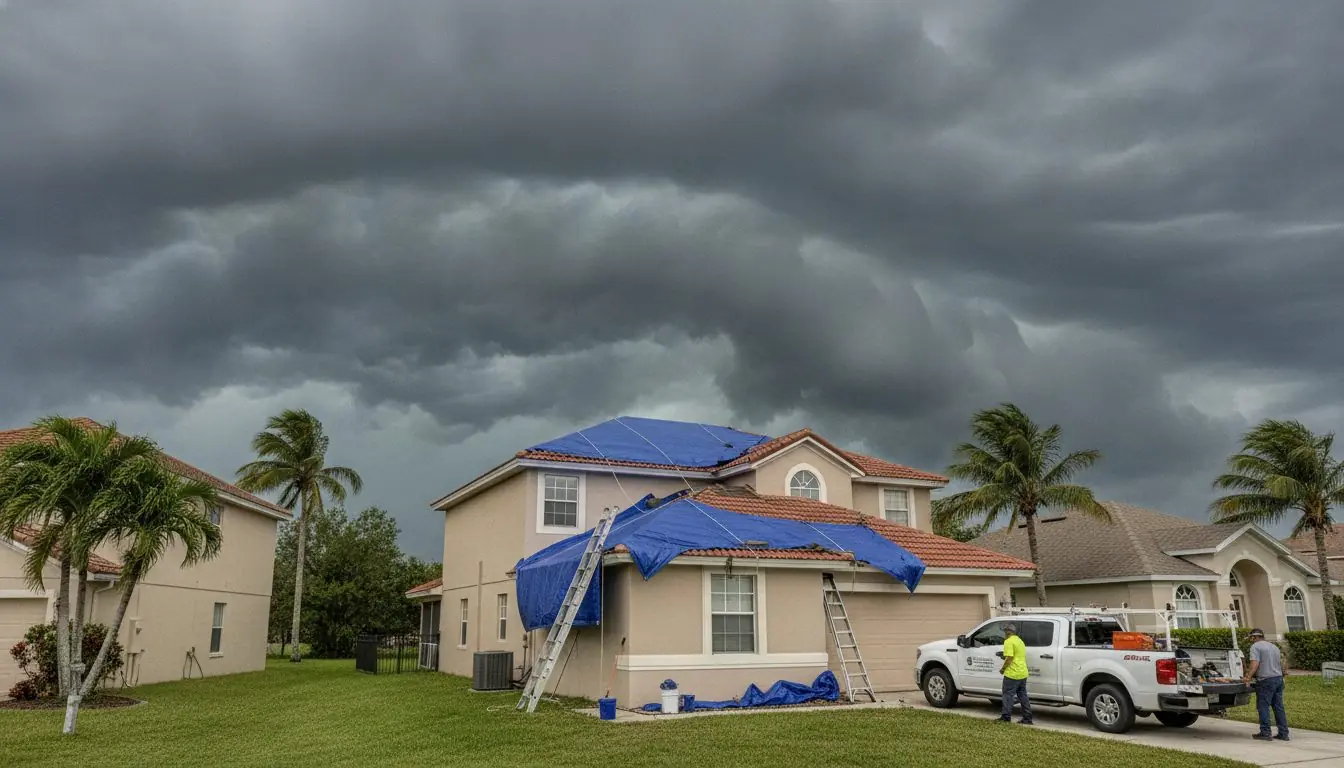
- Receipts for any emergency mitigation work already done (tarping, debris removal) to prevent further damage.
- Contact information for your roofing contractor, in case the adjuster or insurer has follow-up questions.
Walk the property yourself first
Before the adjuster arrives, walk the exterior and interior and note every place storm damage shows up — not just the roof. Check ceilings and closets for water staining, check gutters and downspouts for granule buildup (a sign of shingle wear or hail impact), and check for damaged screens, fencing, or soffit as corroborating evidence of the storm's force in your area.
During the visit: be present and specific
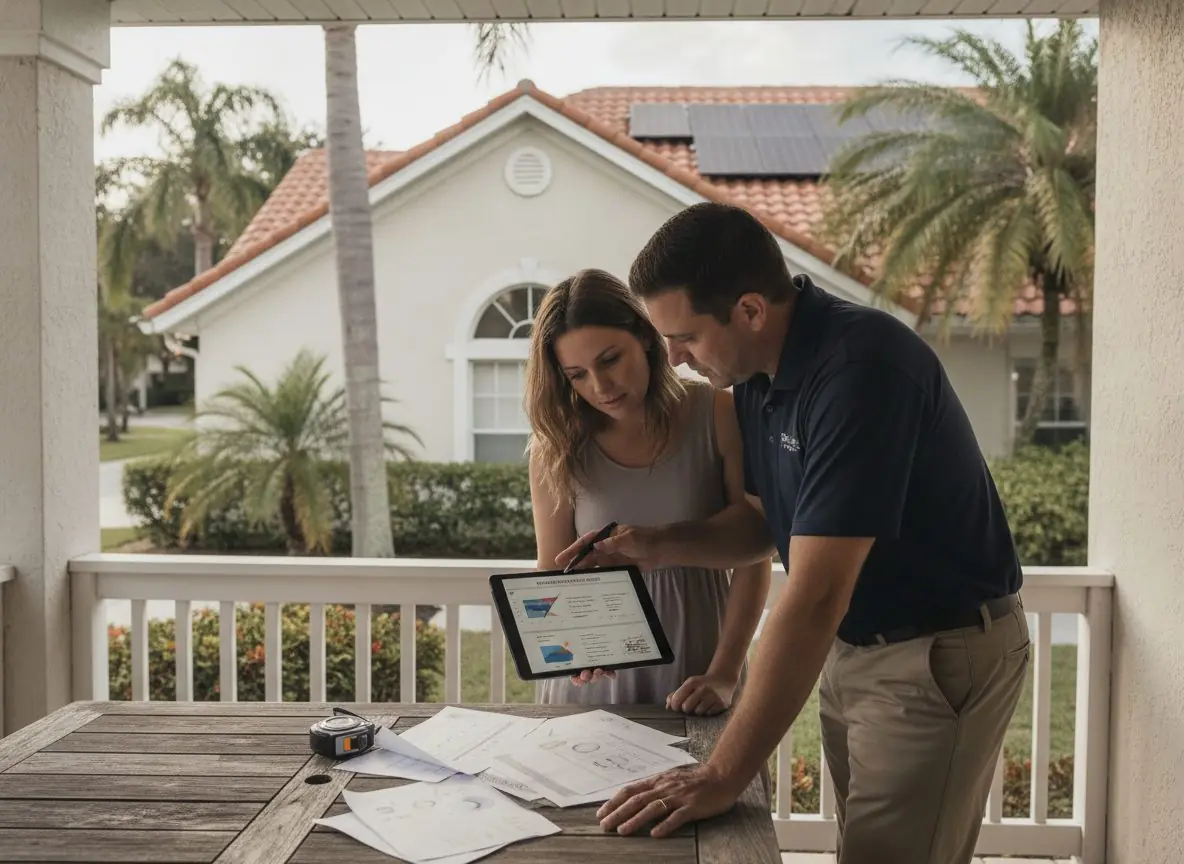
Where possible, be home for the inspection and walk the property with the adjuster. Point out specific areas of concern rather than assuming they'll find everything unprompted — adjusters cover a high volume of claims, especially after a widespread storm event, and a homeowner who can say "here, and here, and this stain started after the storm on the 14th" helps keep the inspection accurate and complete. Take your own photos during the visit as a record of what was actually inspected.
After the visit: compare notes and follow up in writing
Once you receive the adjuster's report or estimate, compare it against your own contractor's documentation. If something is missing — hidden decking damage, for example, that only becomes visible once the roof is opened — that's normal, and it's what a supplement request is for. Keep all communication with your insurer in writing or follow up a phone call with a confirming email, so there's a clear record of what was discussed and when.
Recommended next step
Getting a documented inspection before the adjuster's visit is the single highest-value step in this checklist. See our damage documentation guide for exactly what good documentation looks like, and our full claim filing guide for the steps before and after the adjuster visit.
Request a Free Inspection